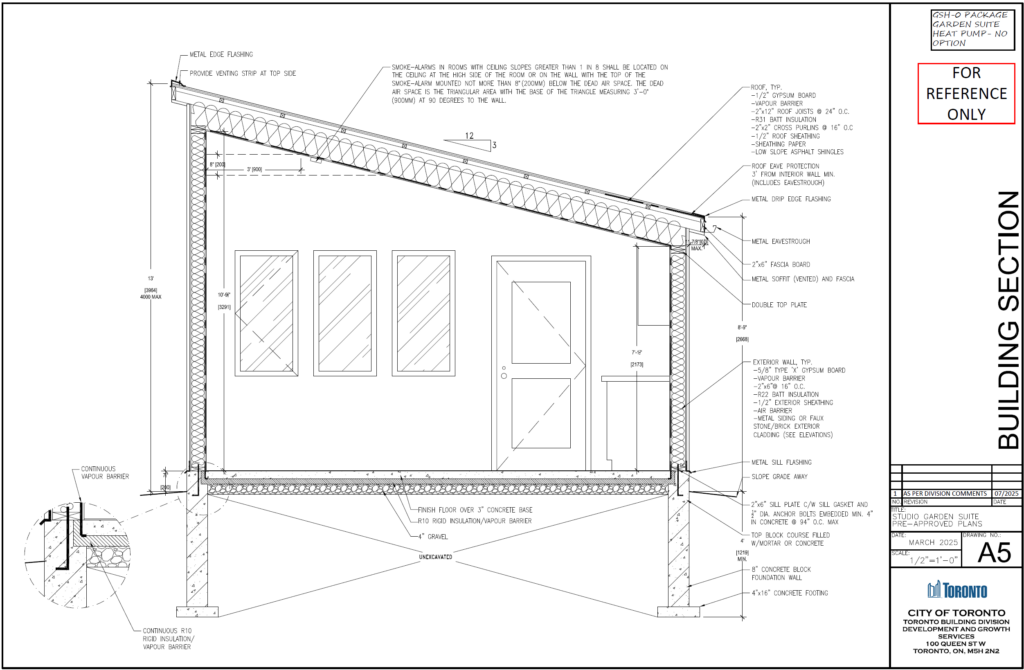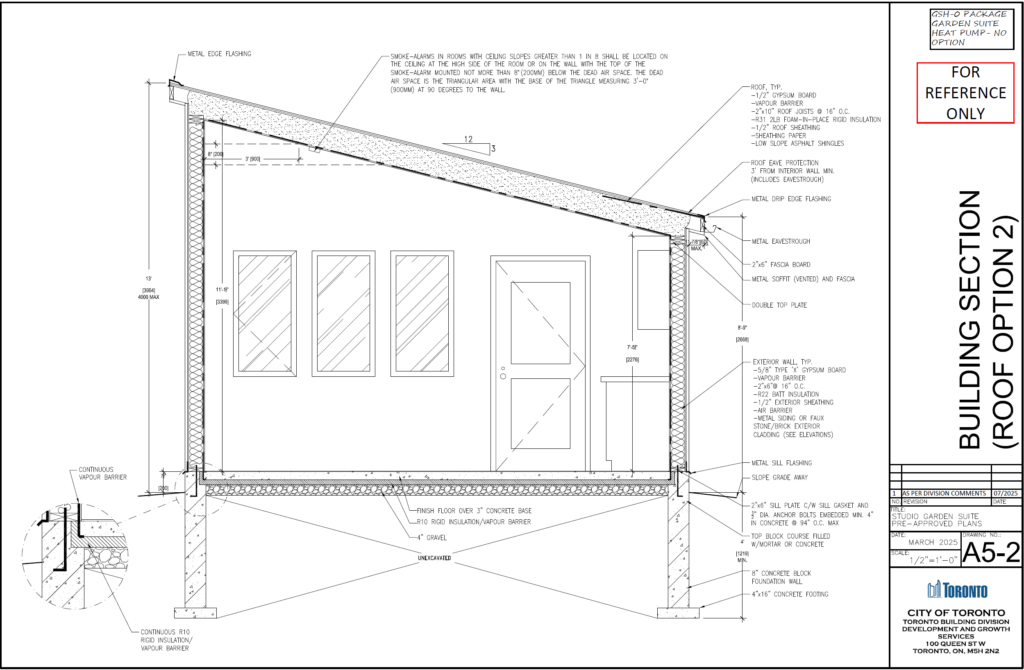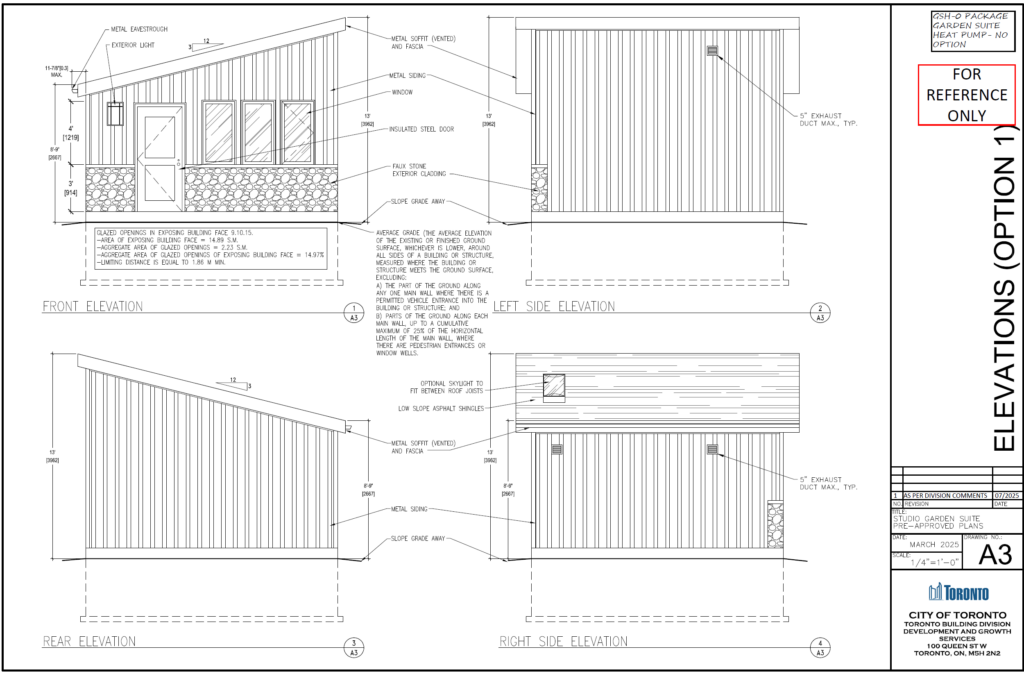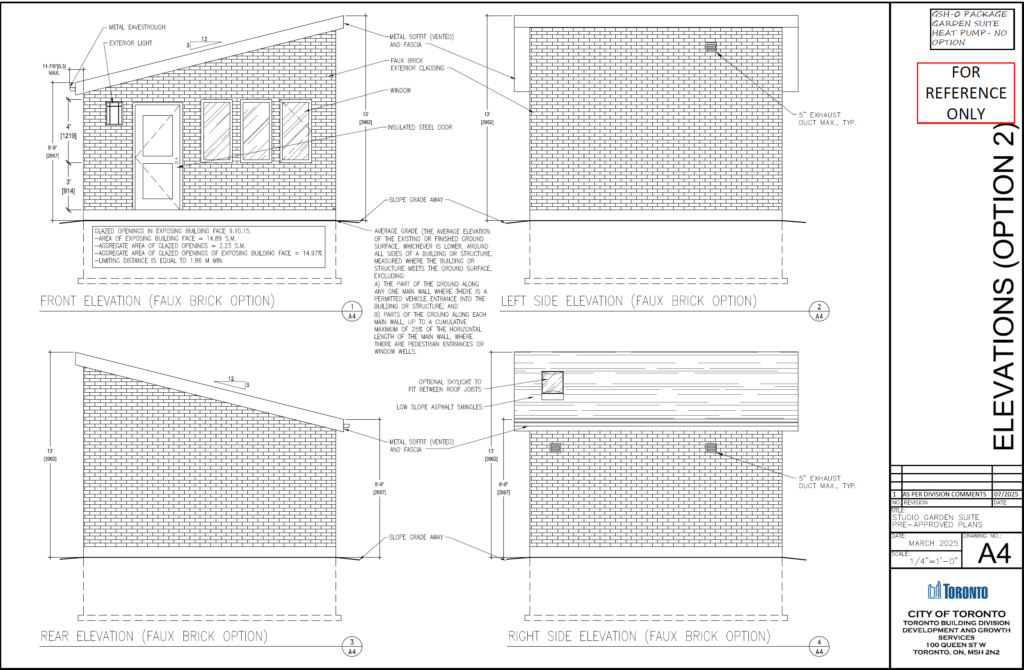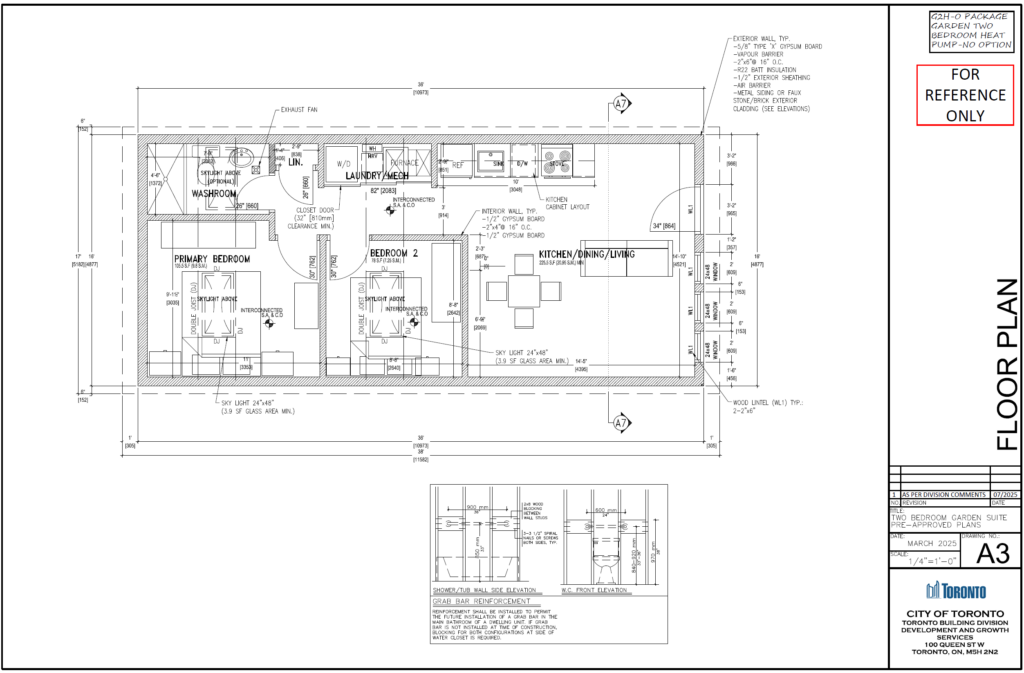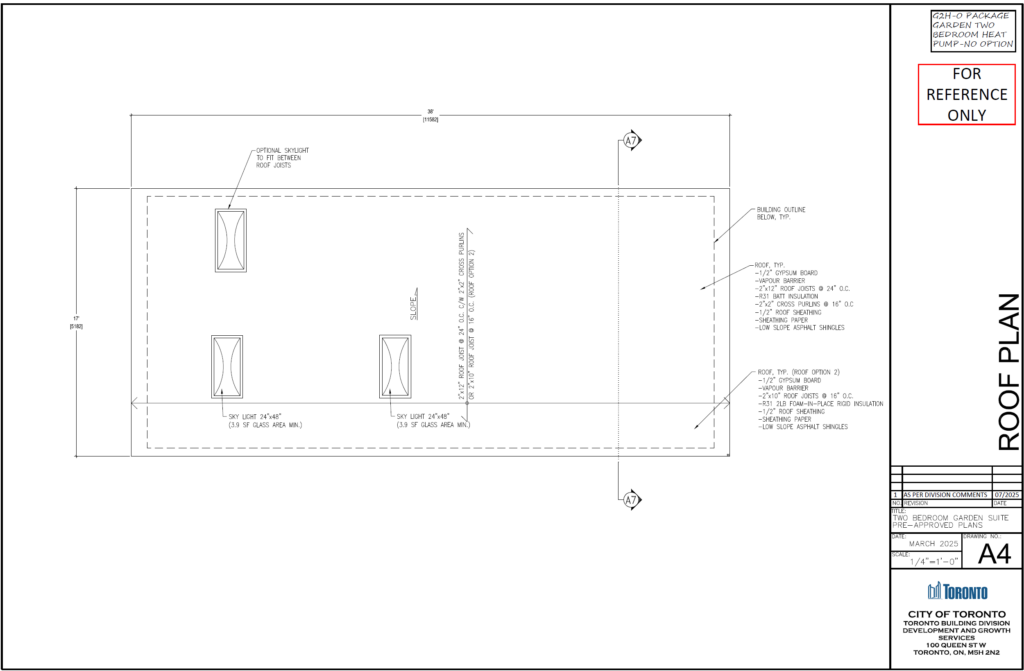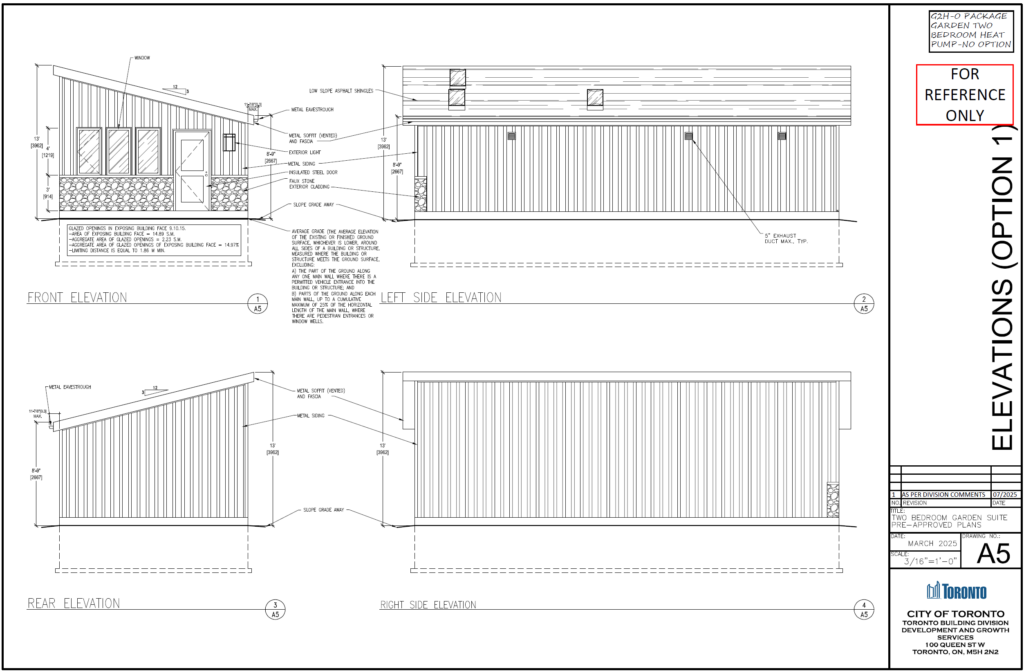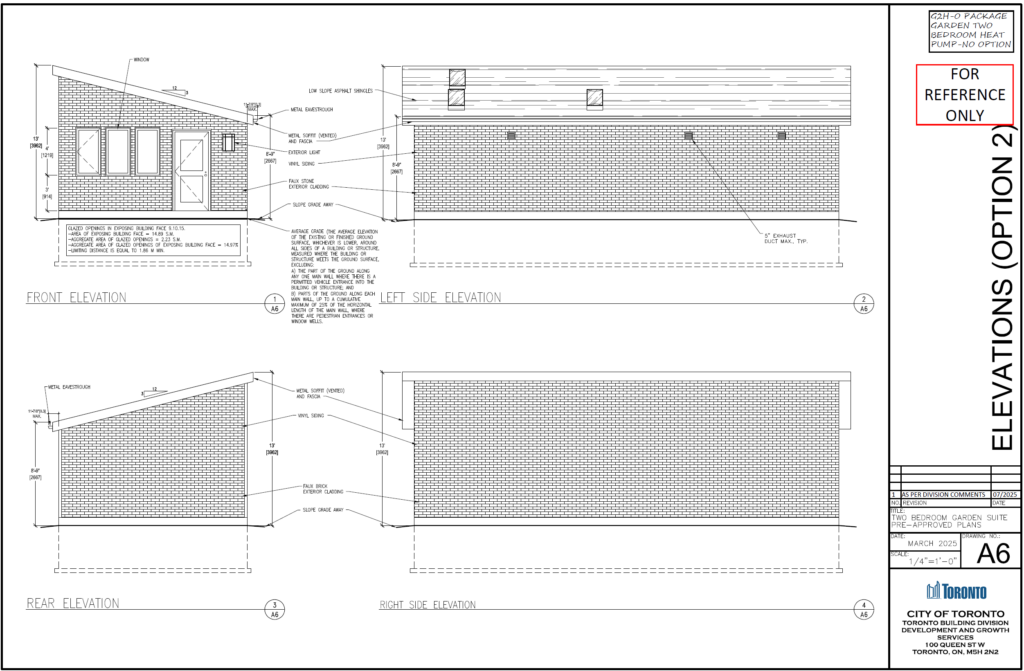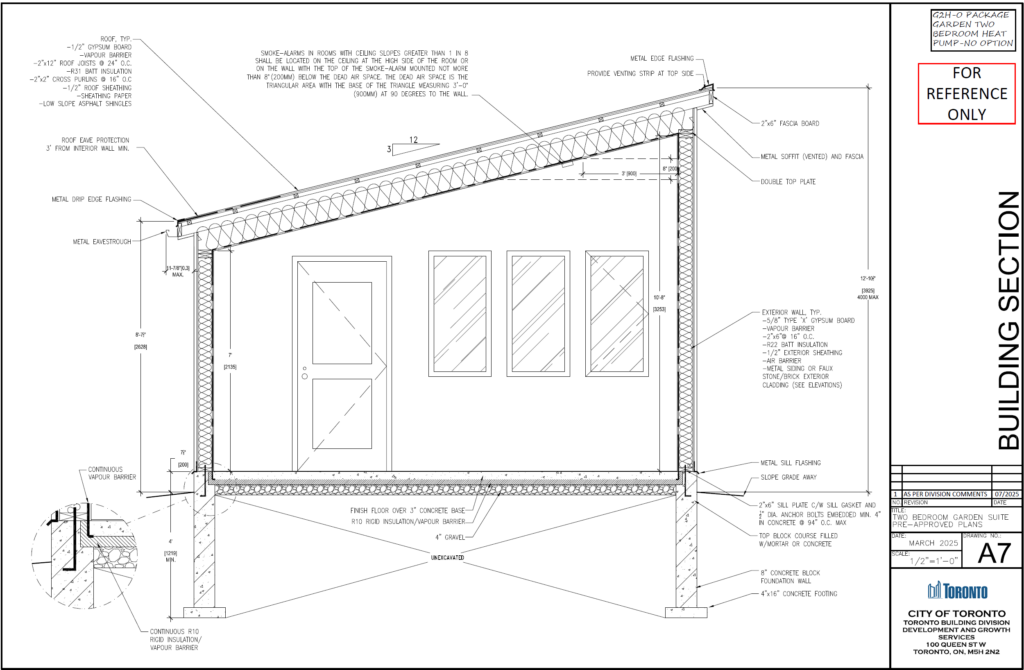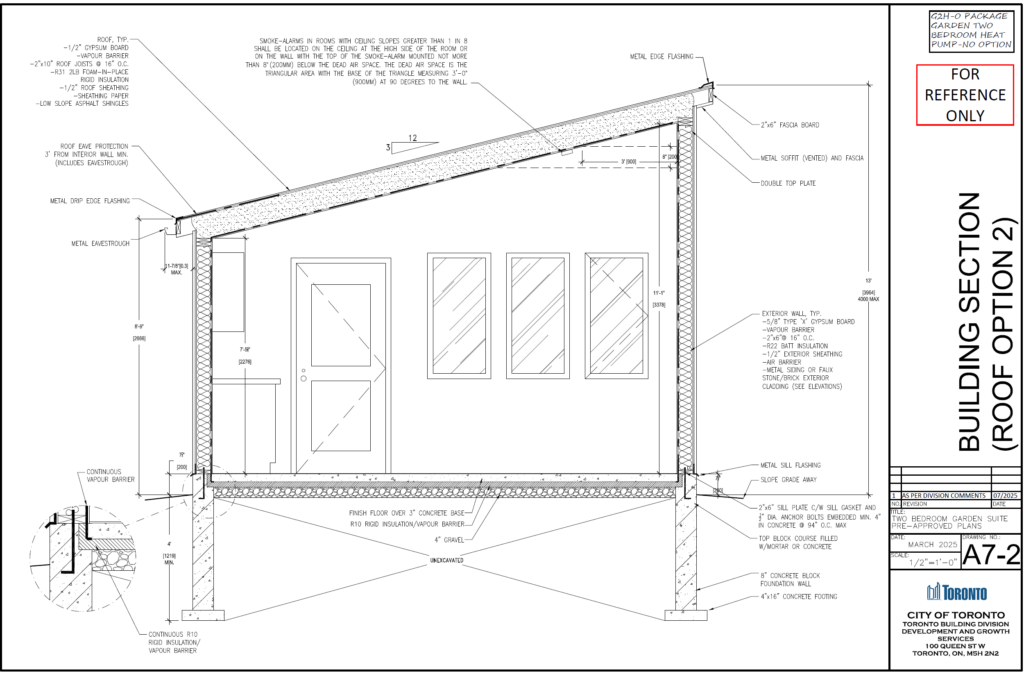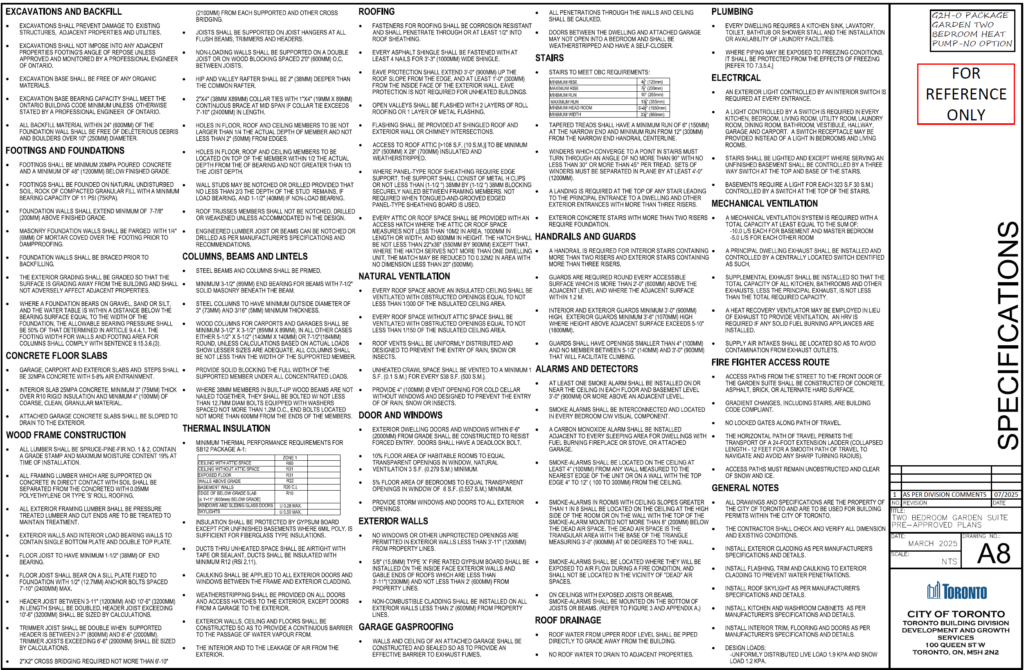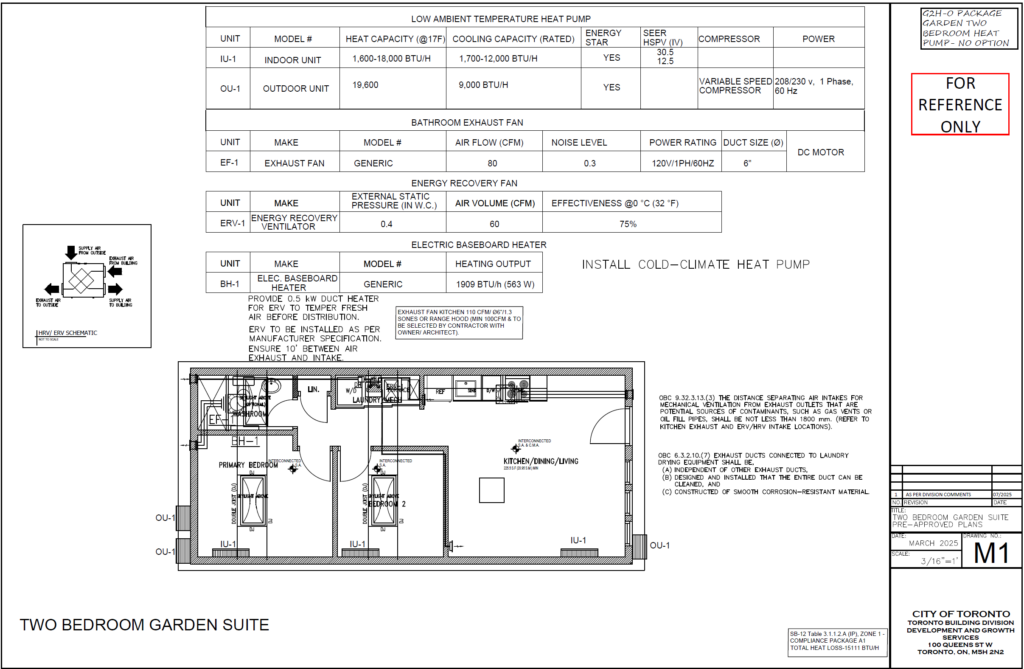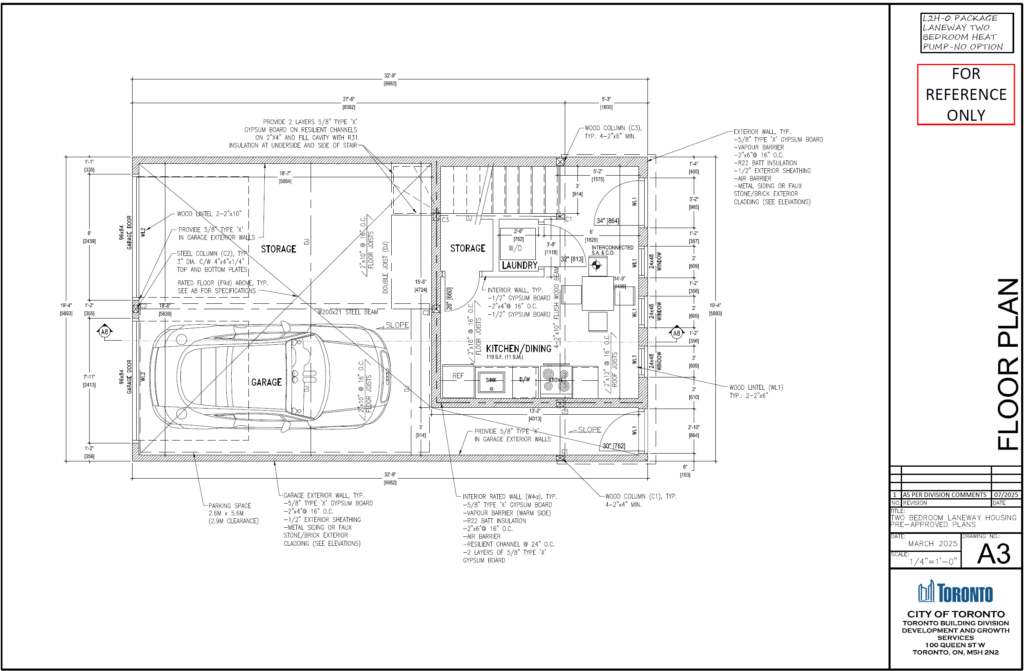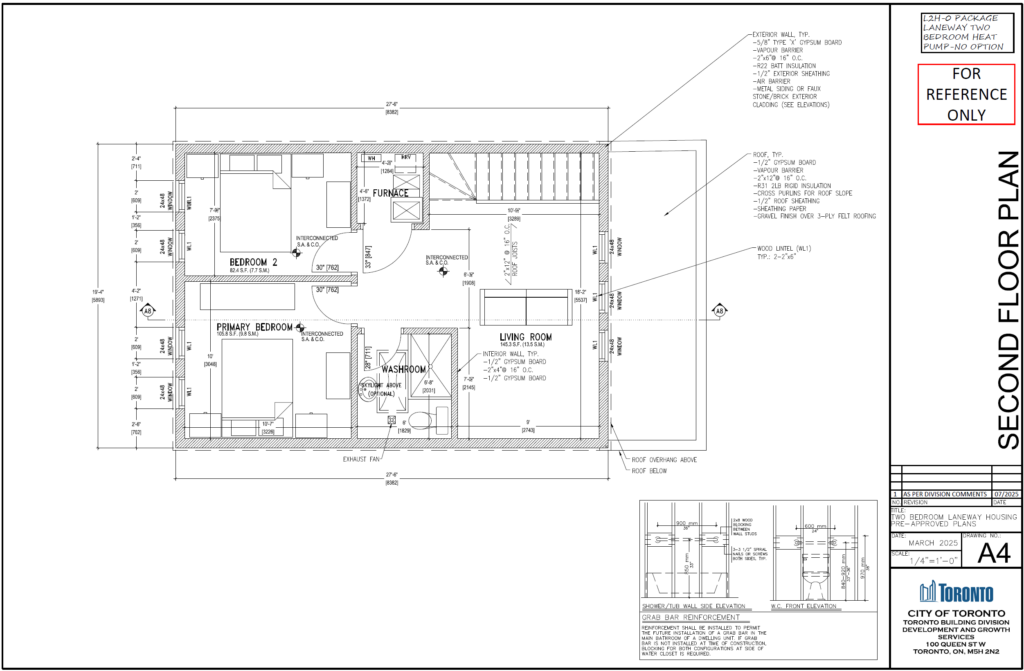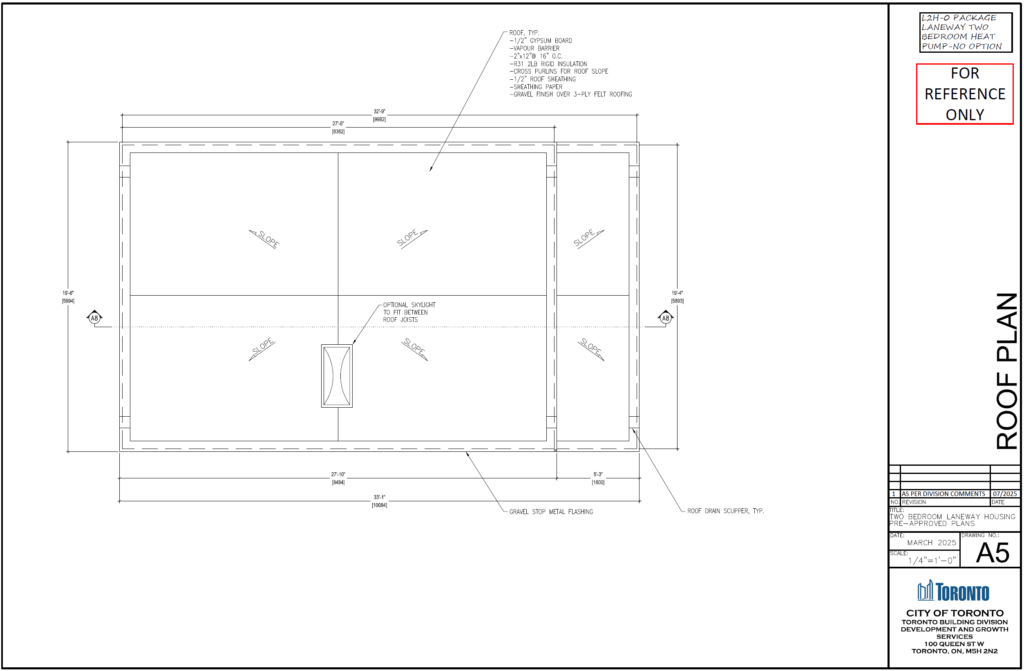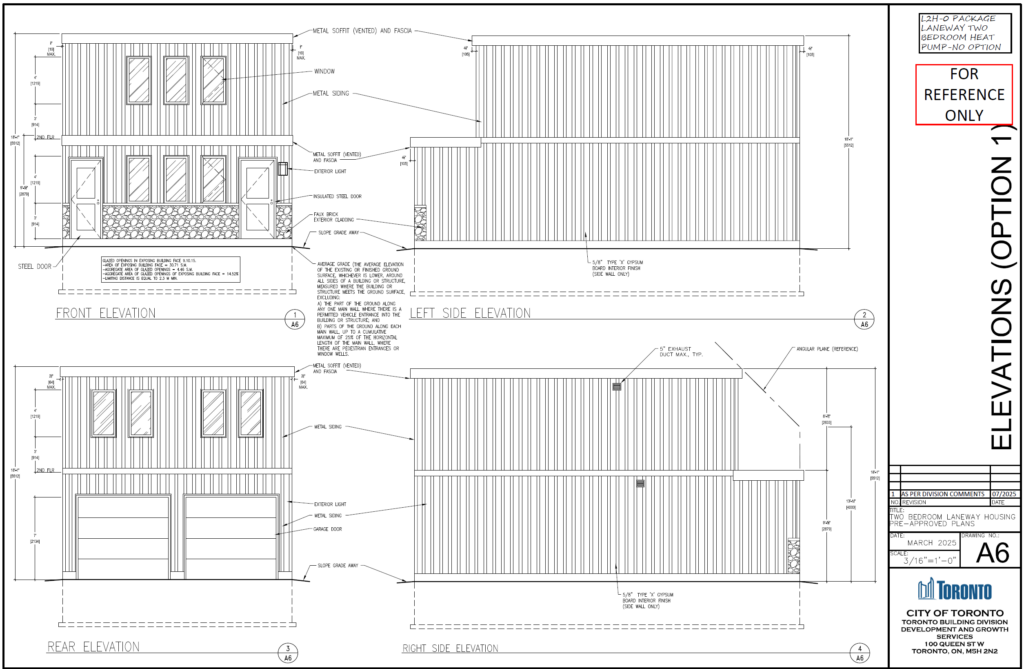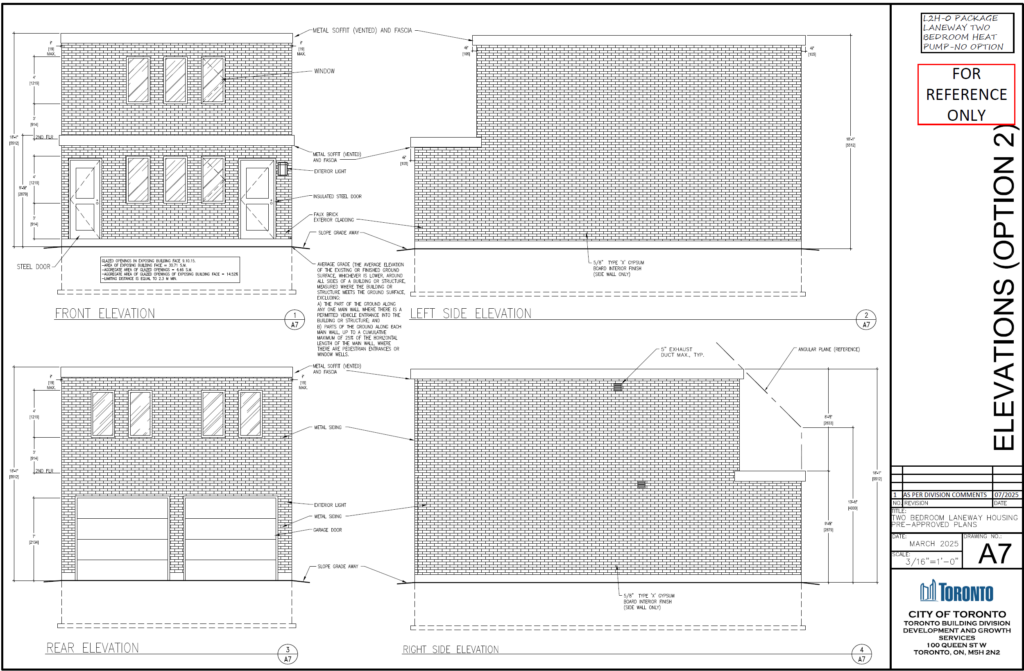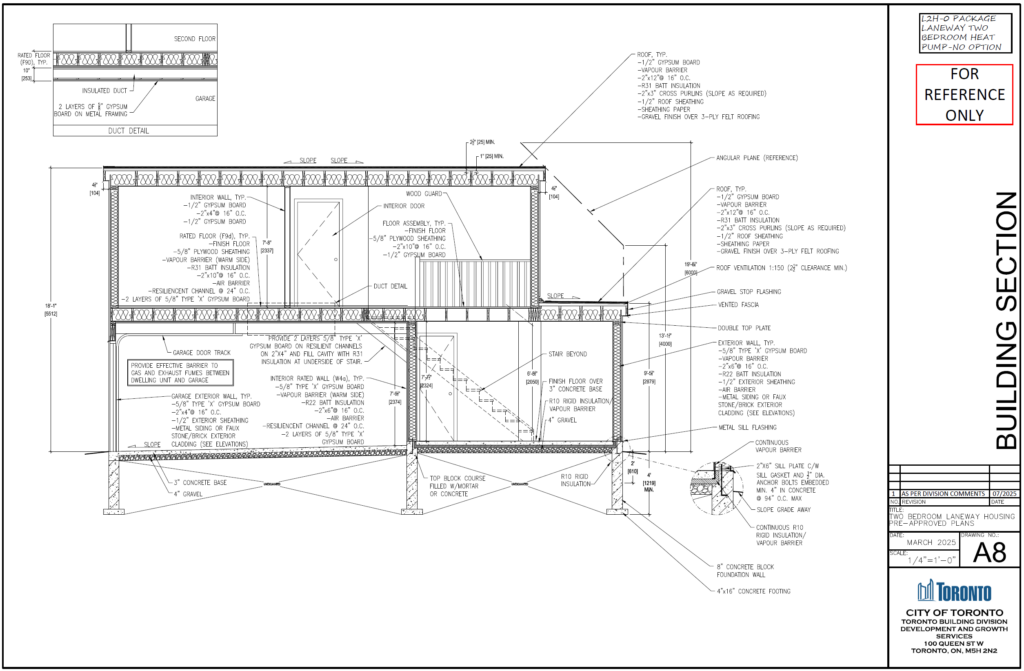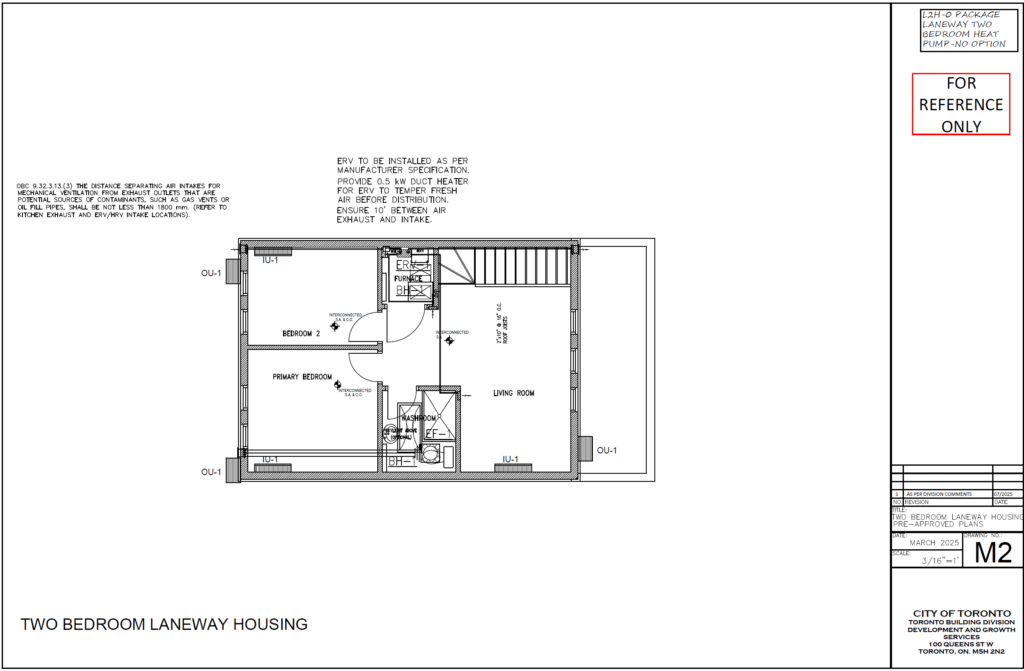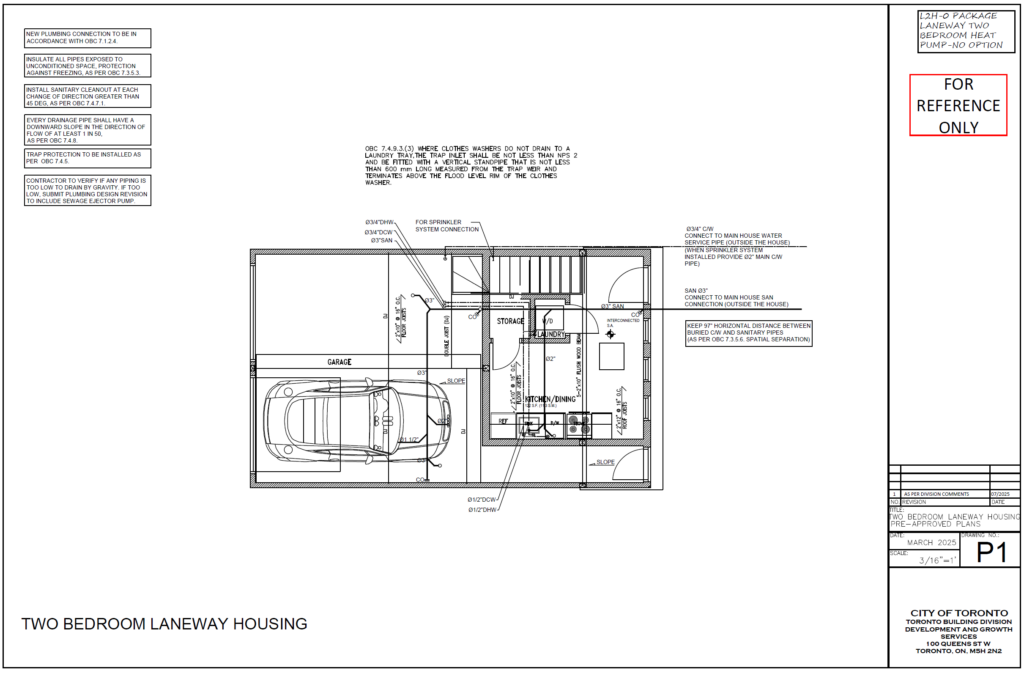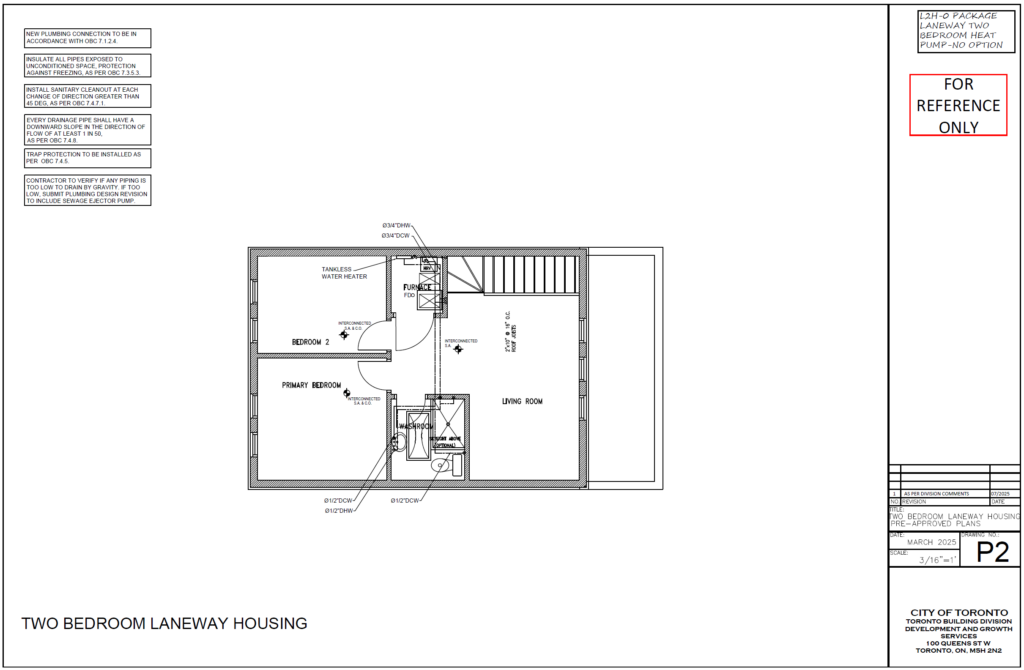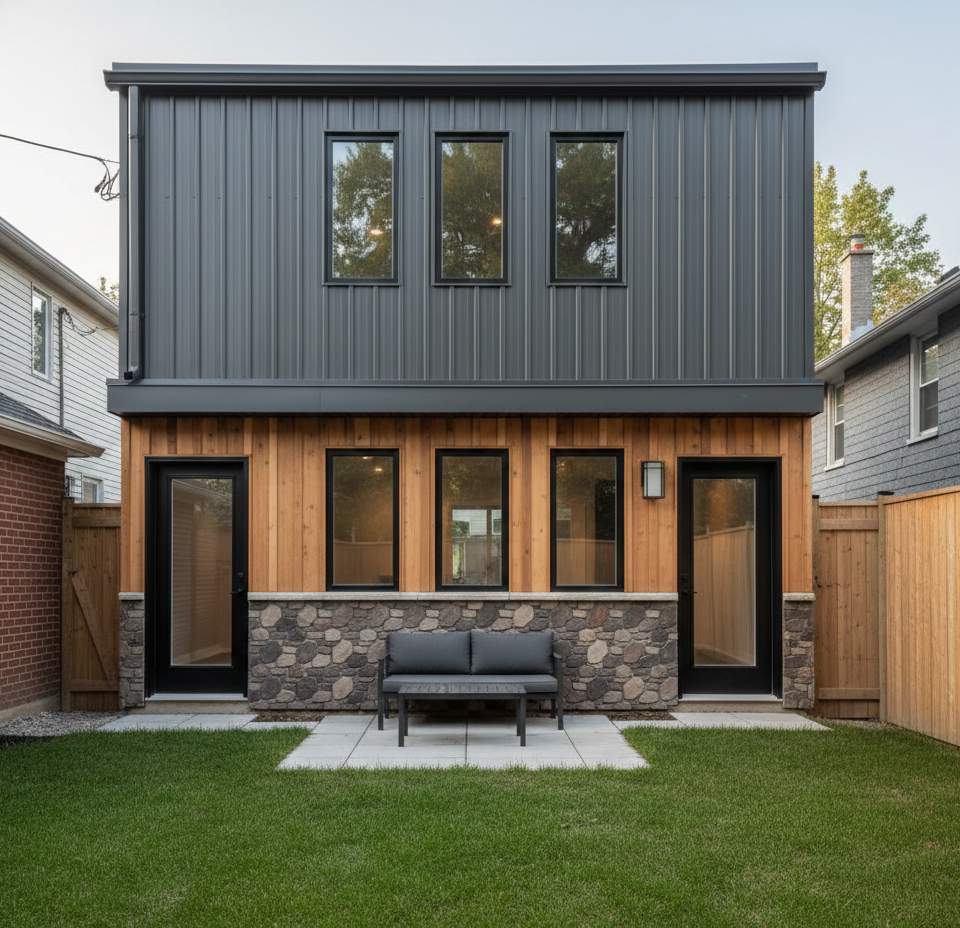












GSH-0 Package
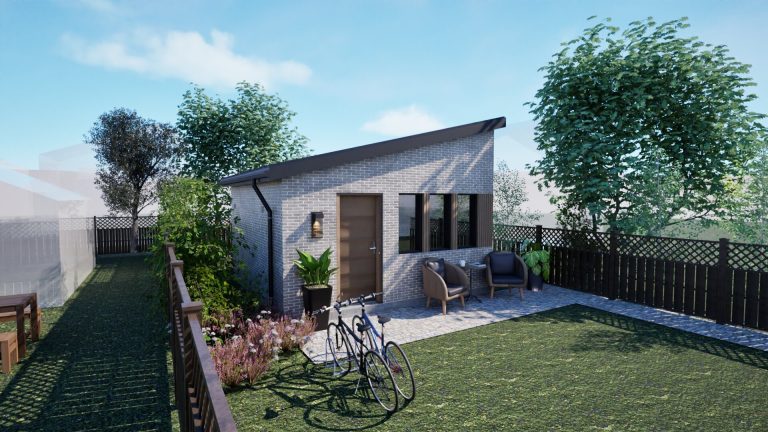
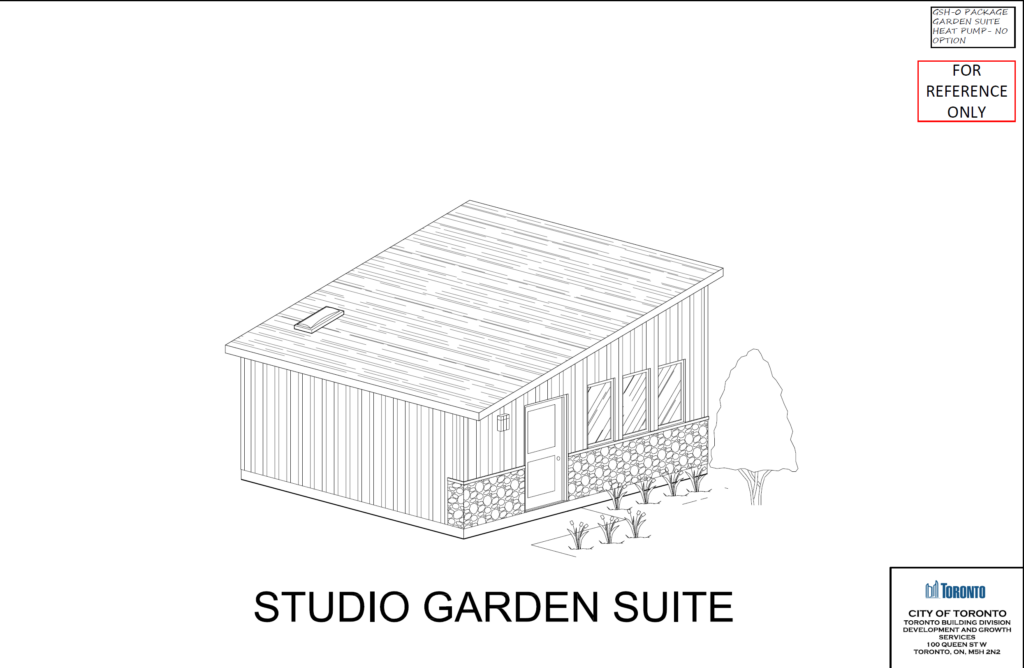
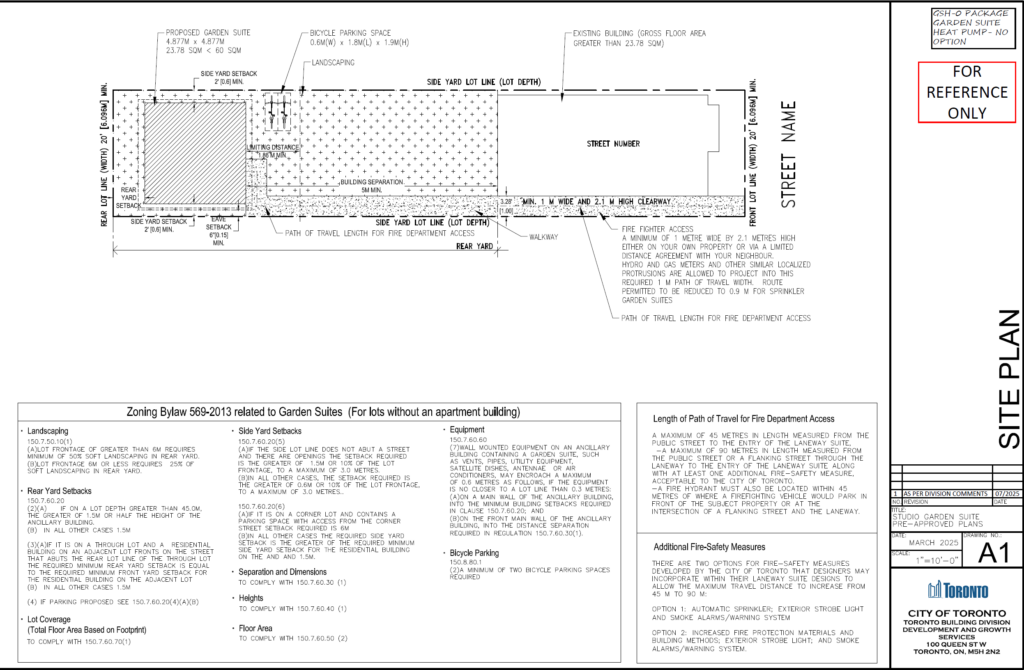
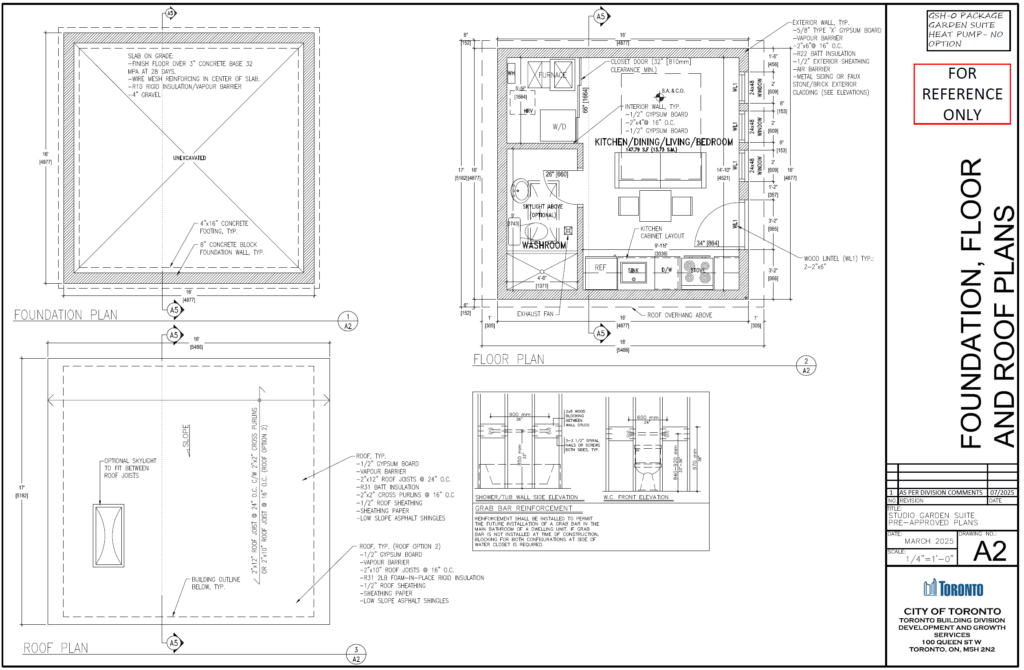
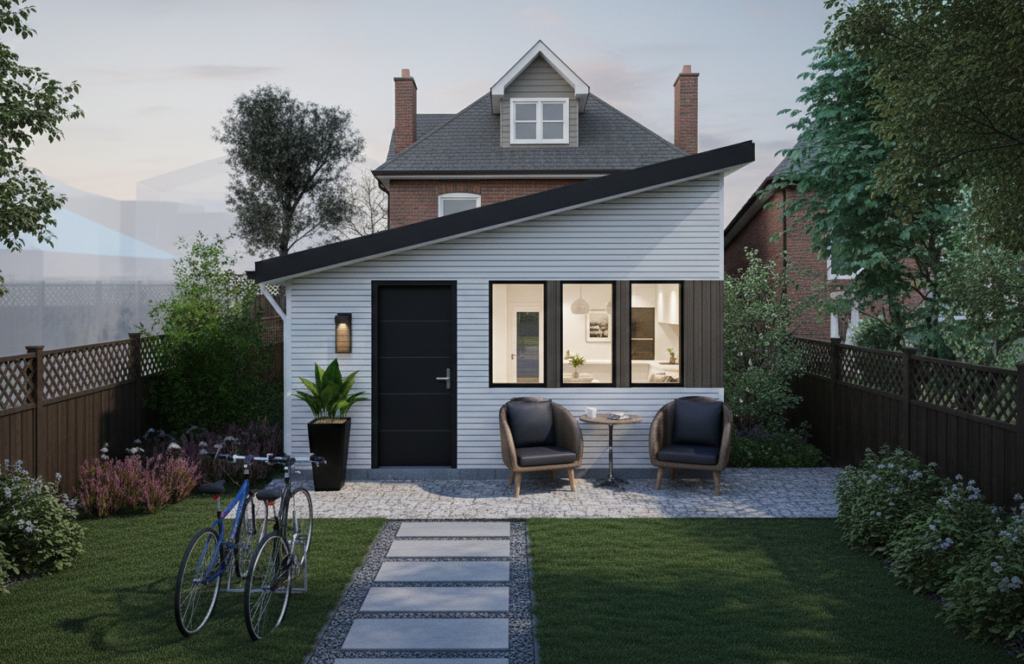
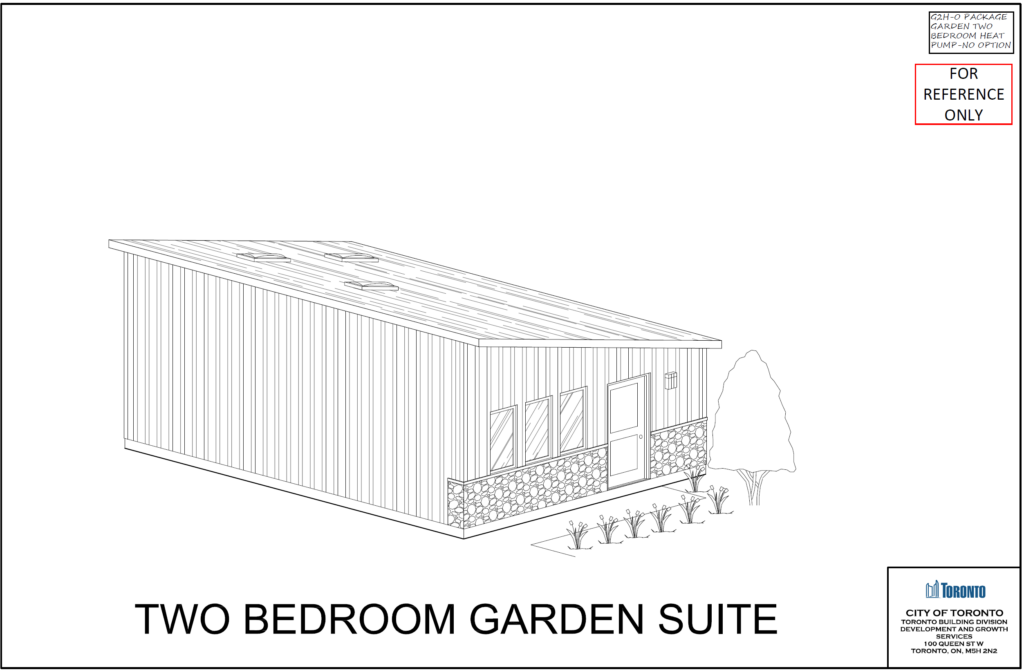
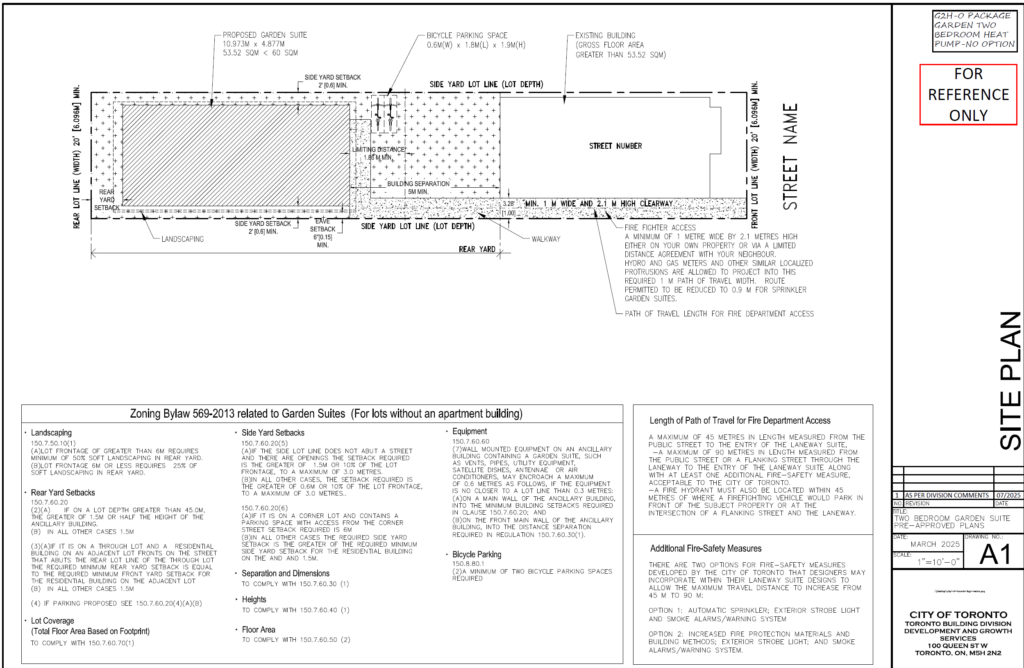
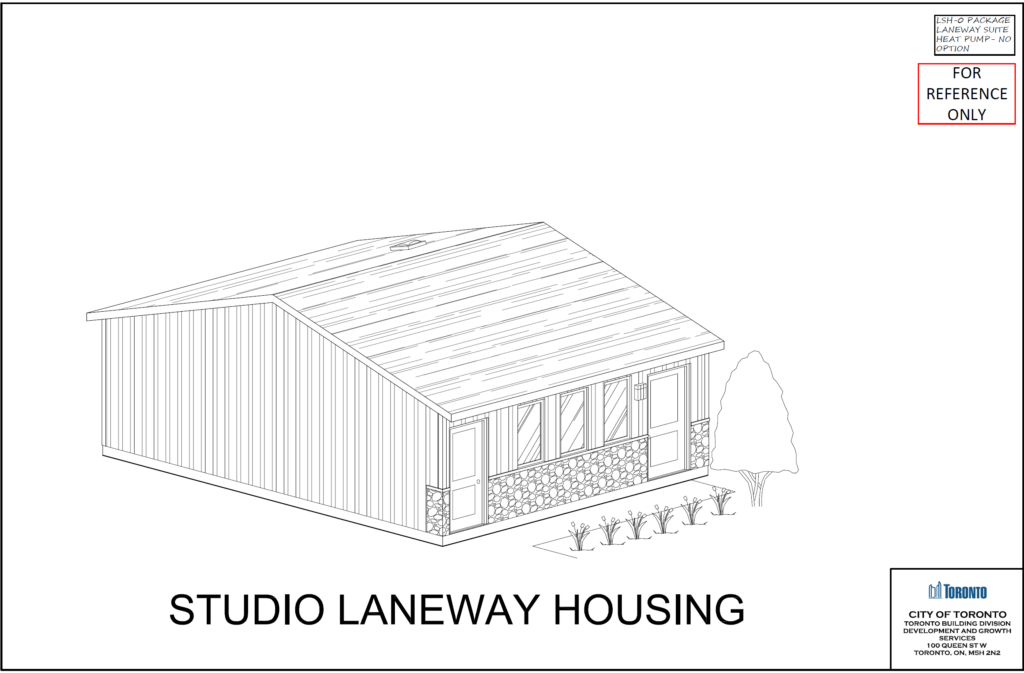
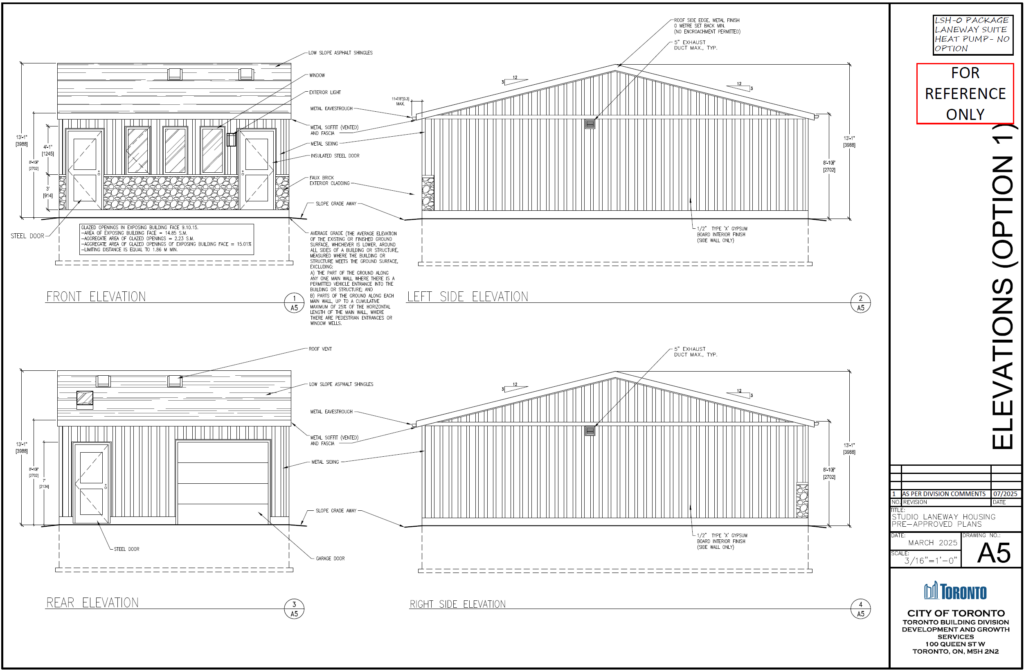
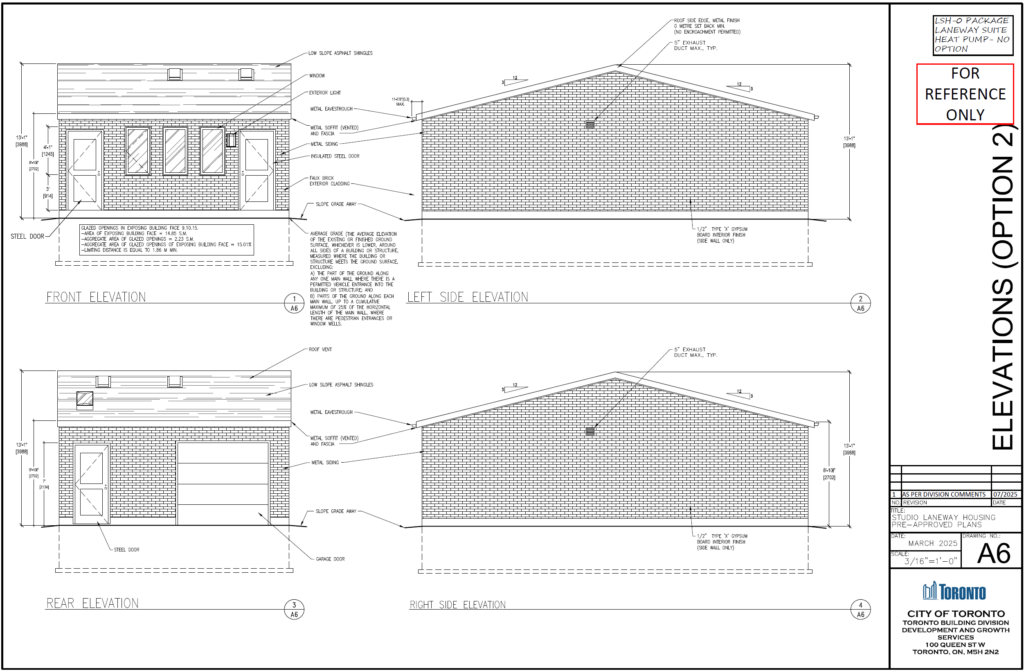
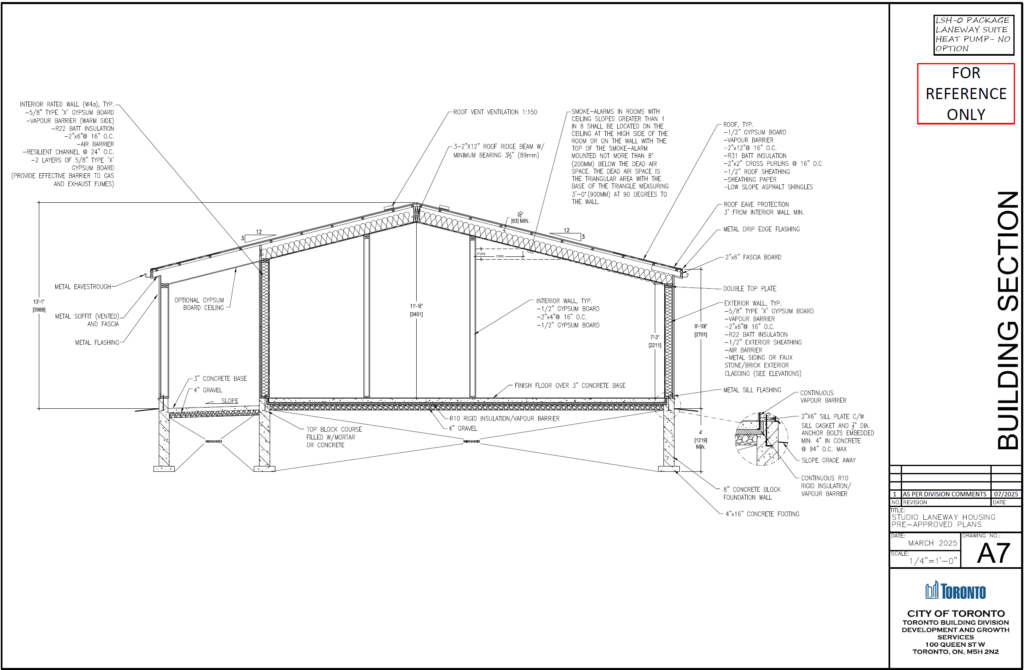
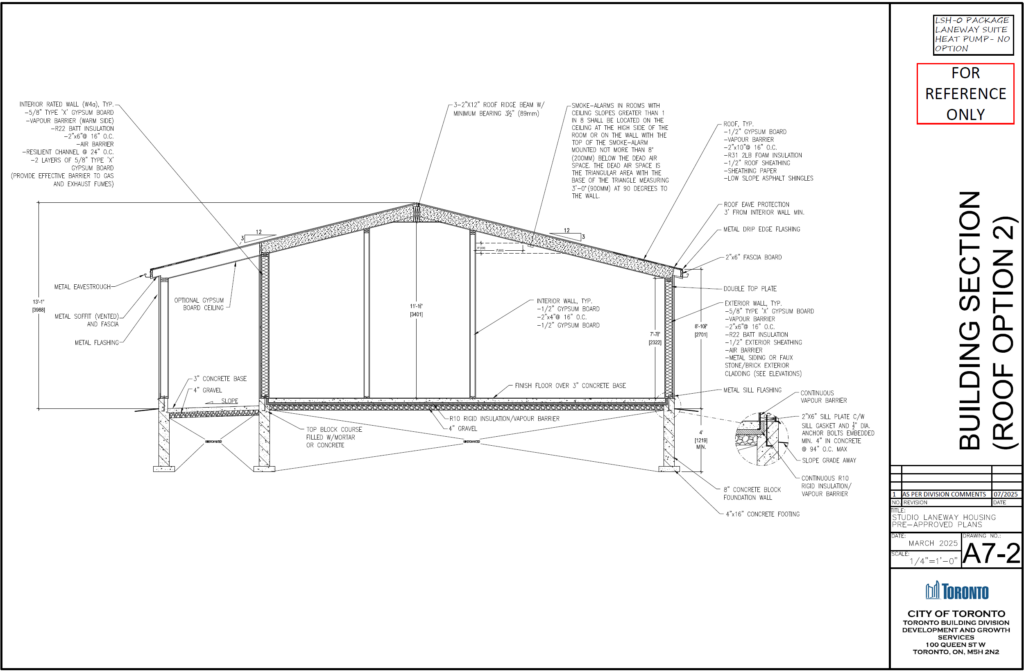
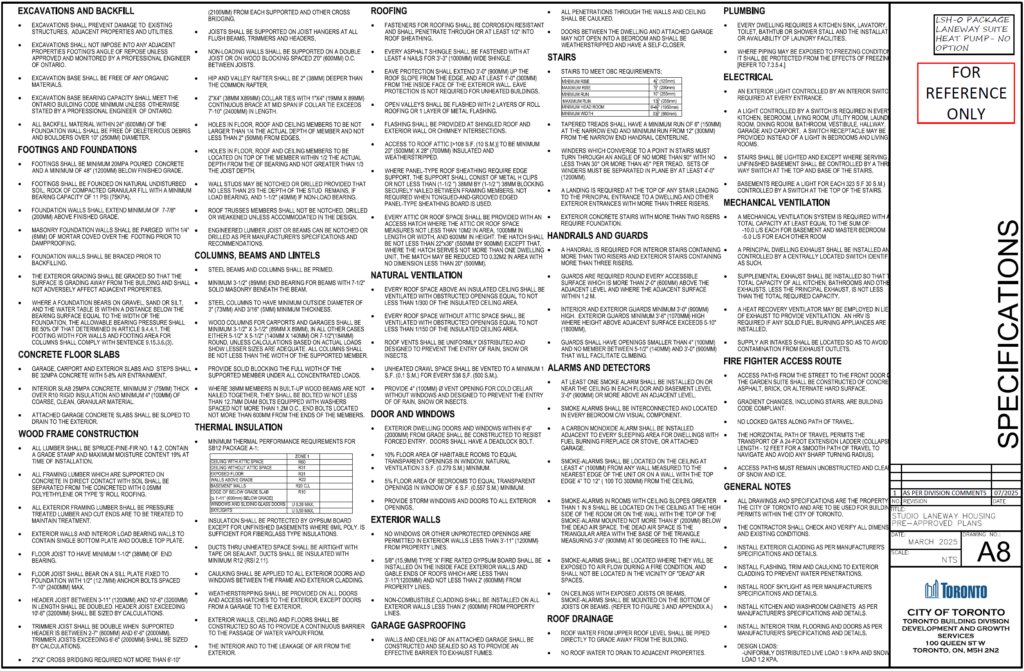
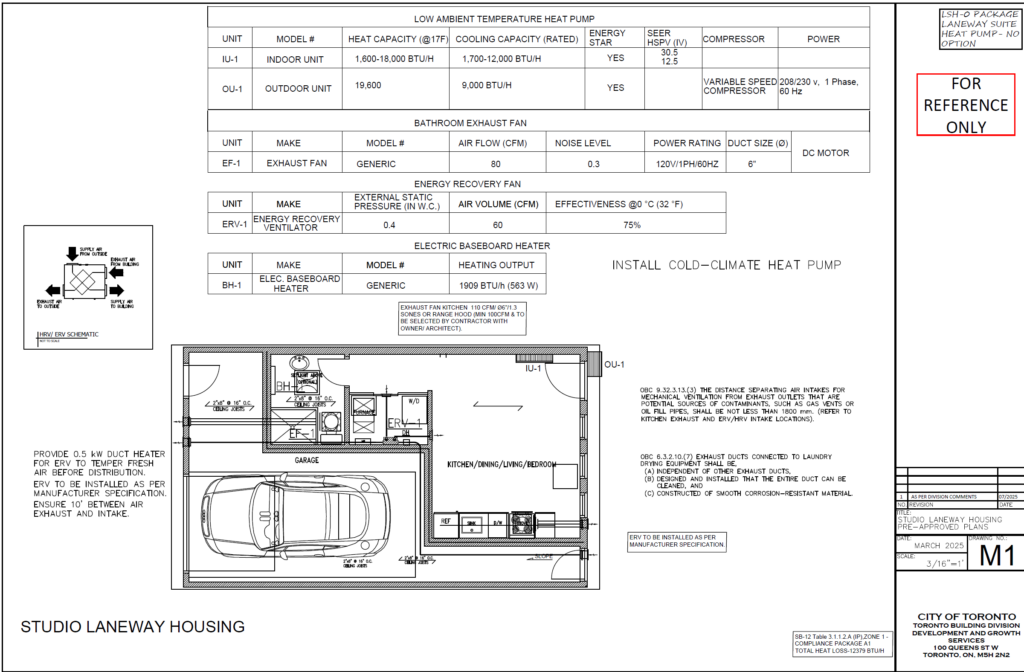
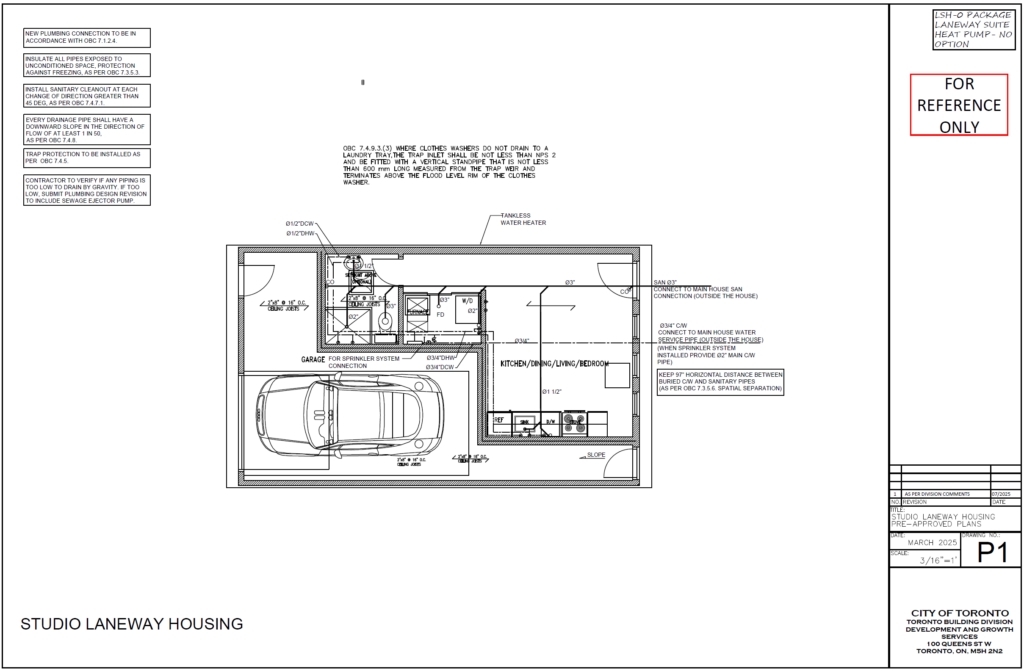
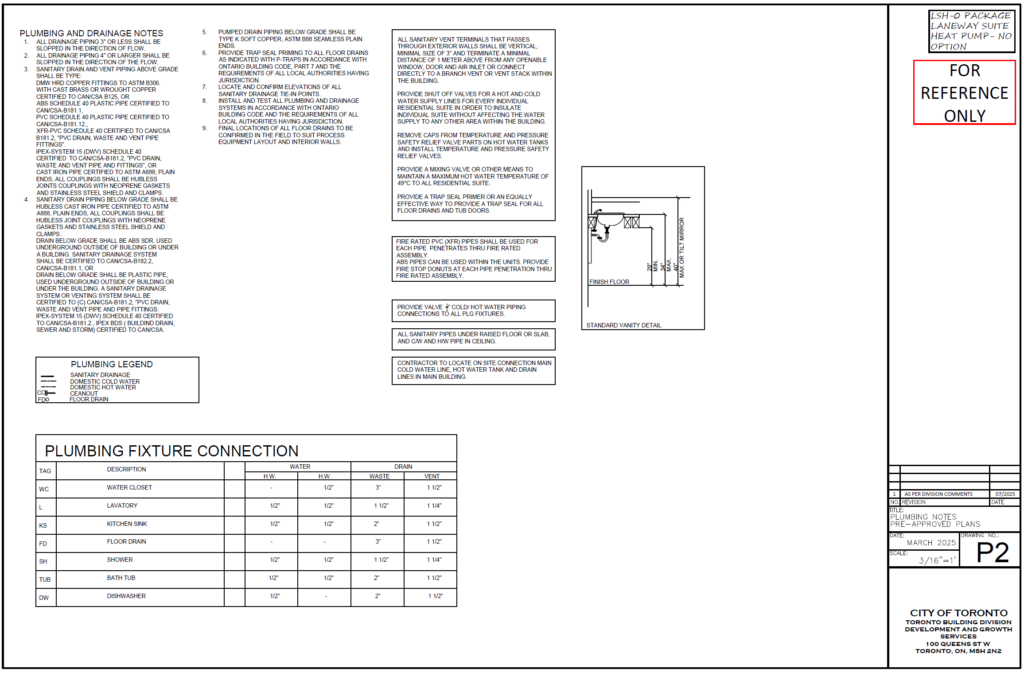
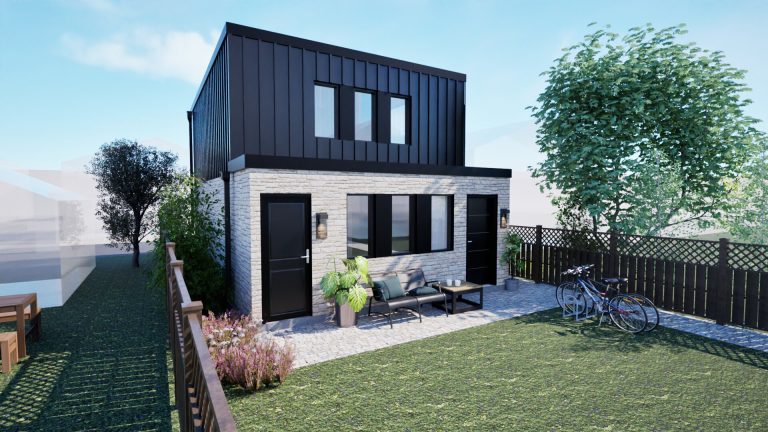
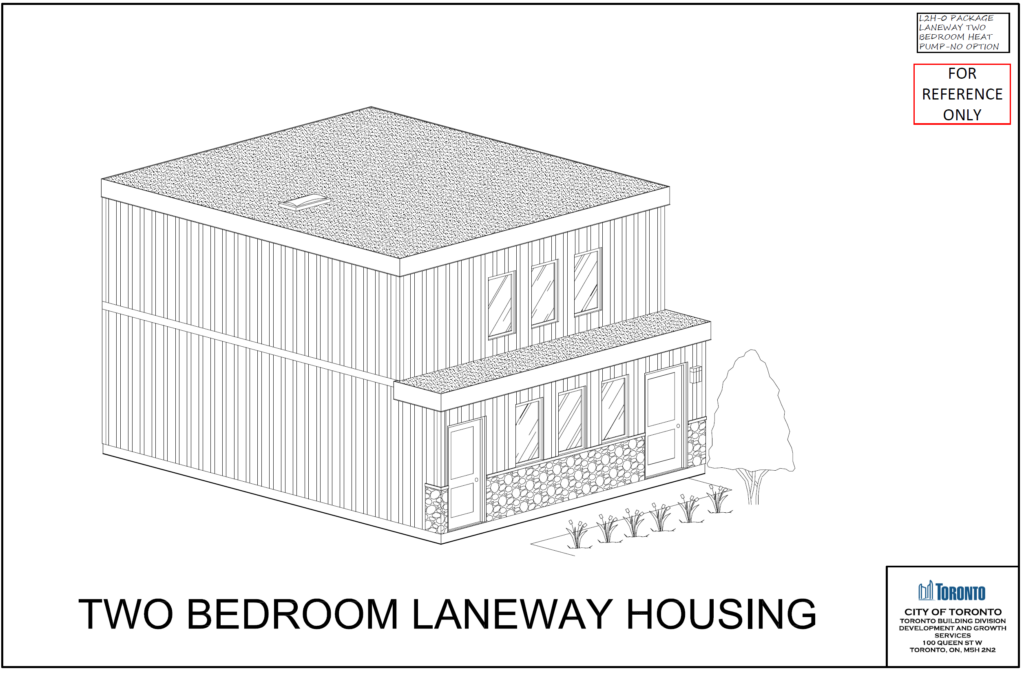
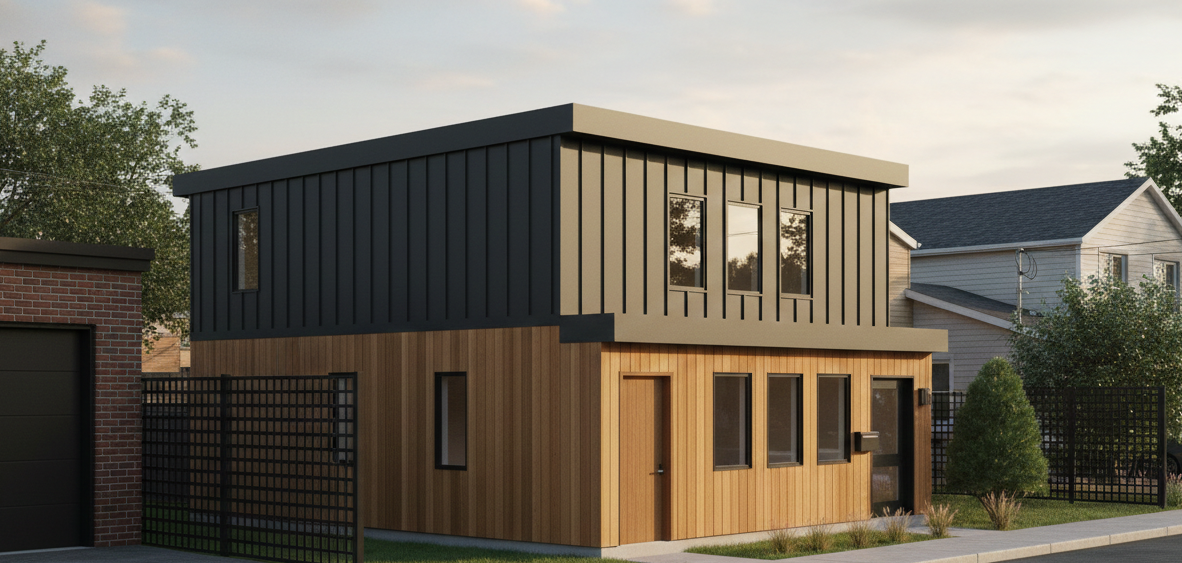
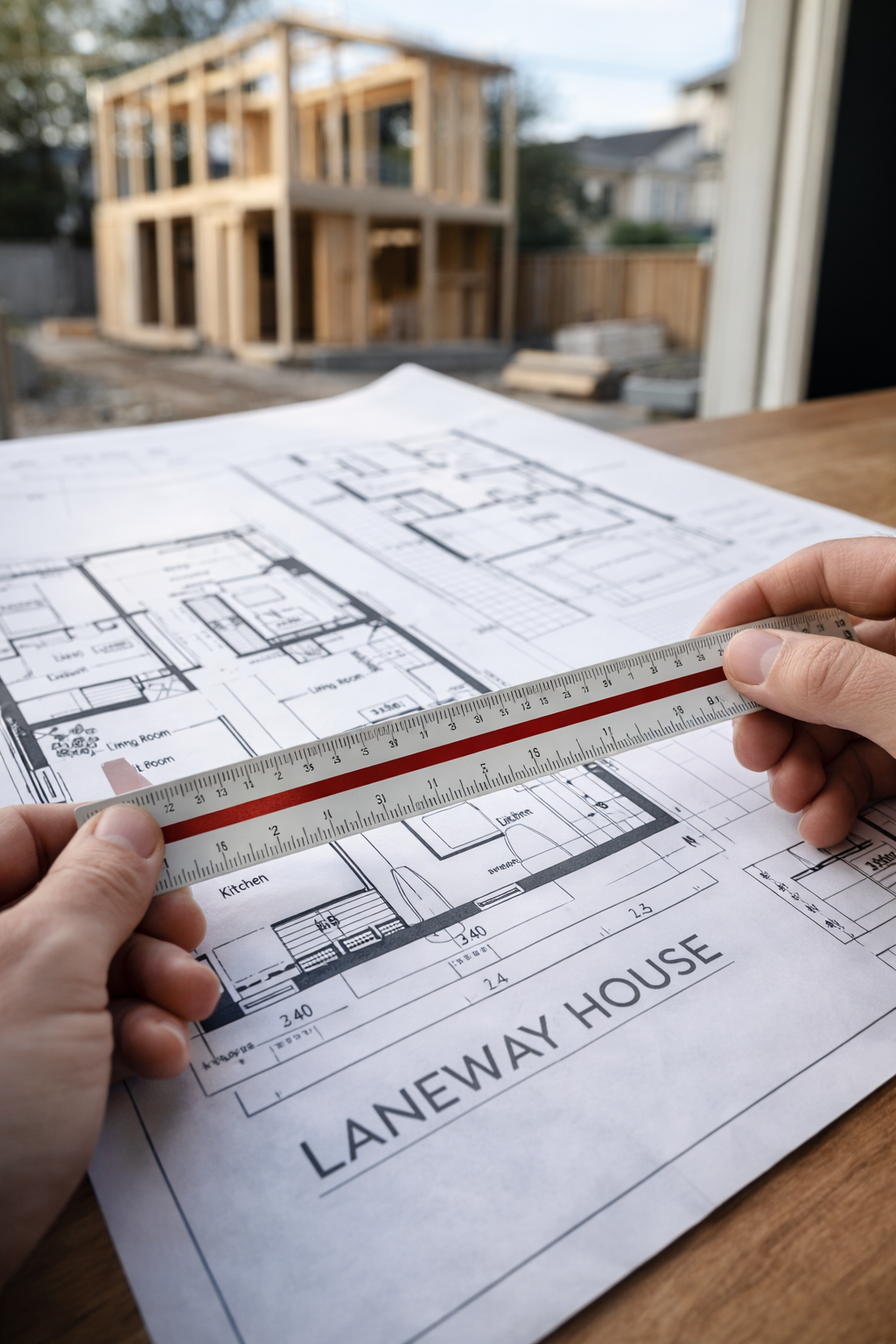
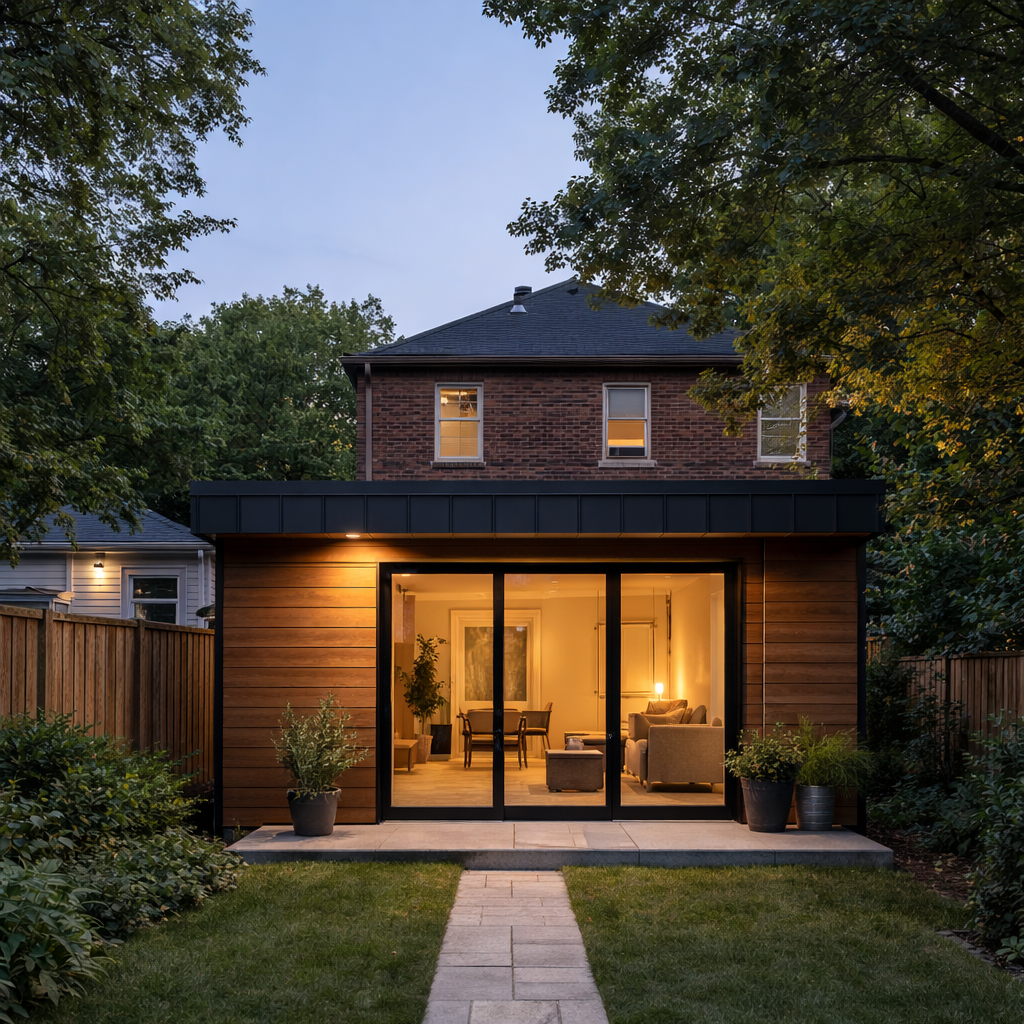
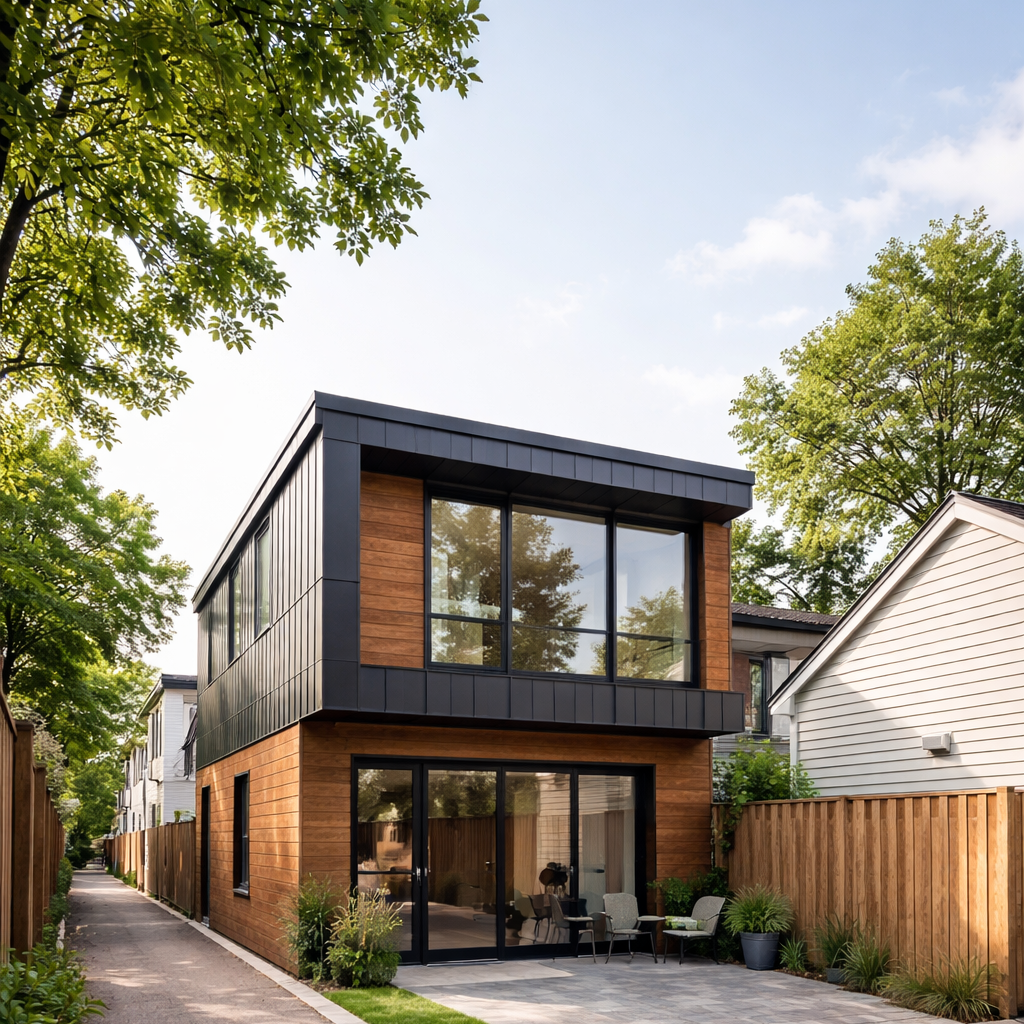
Studio Garden Suite
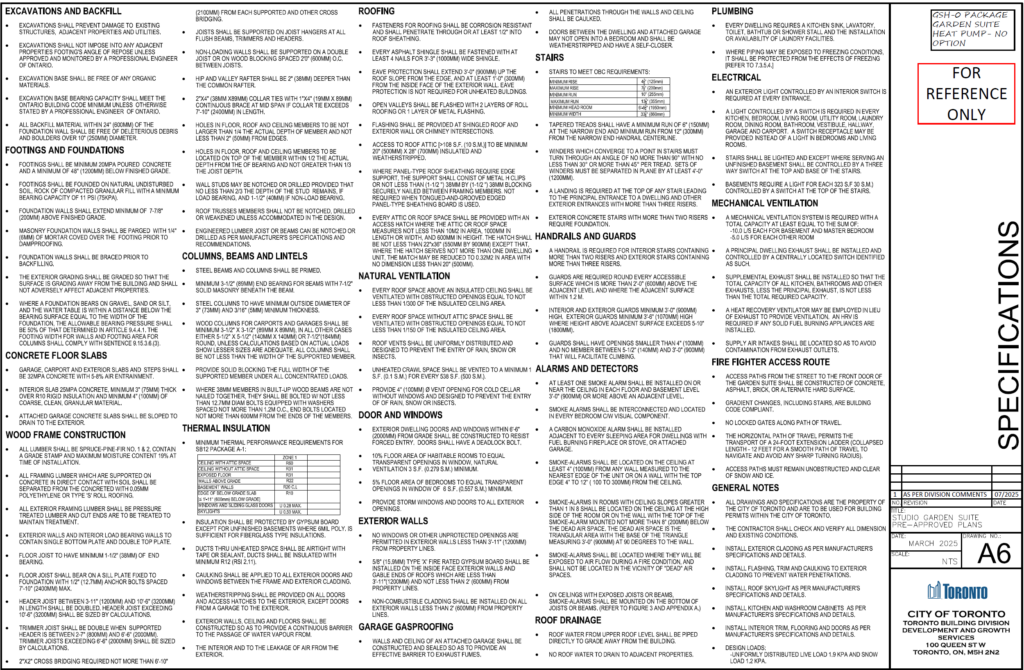
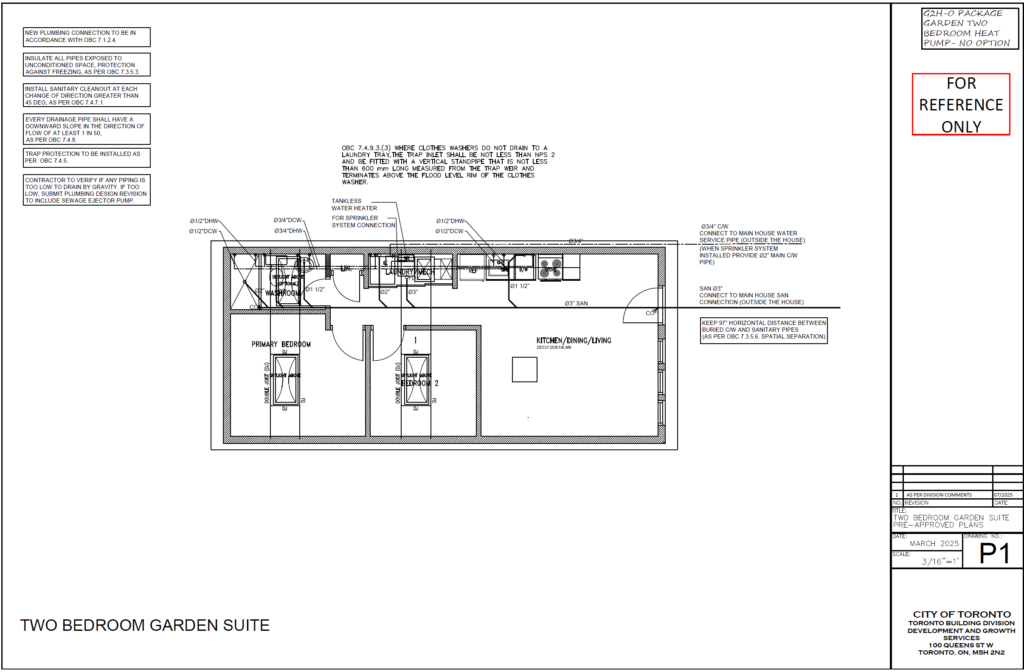
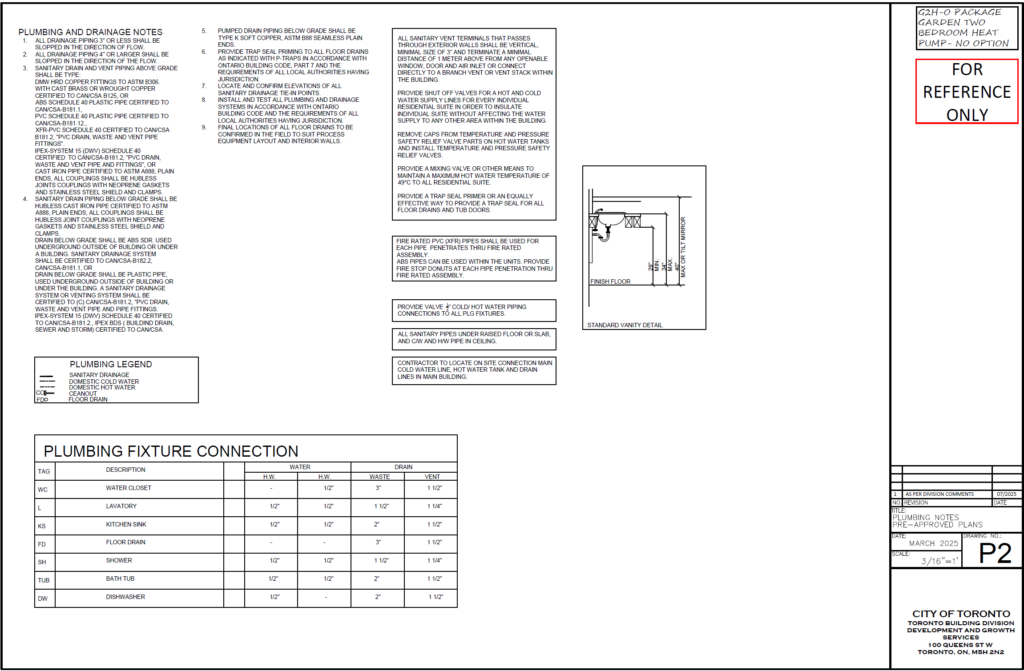
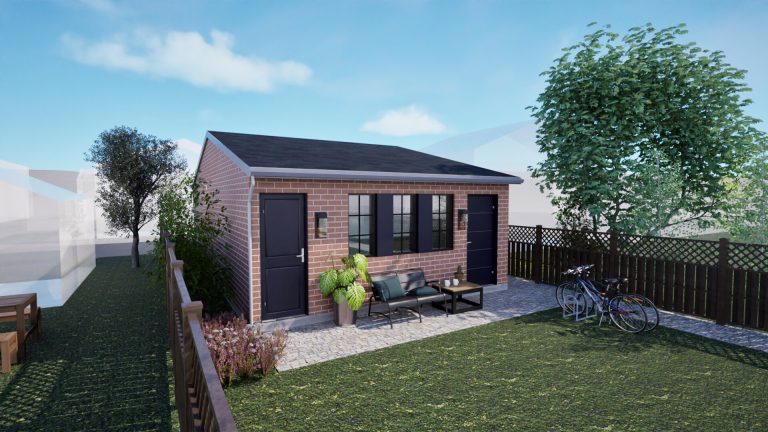
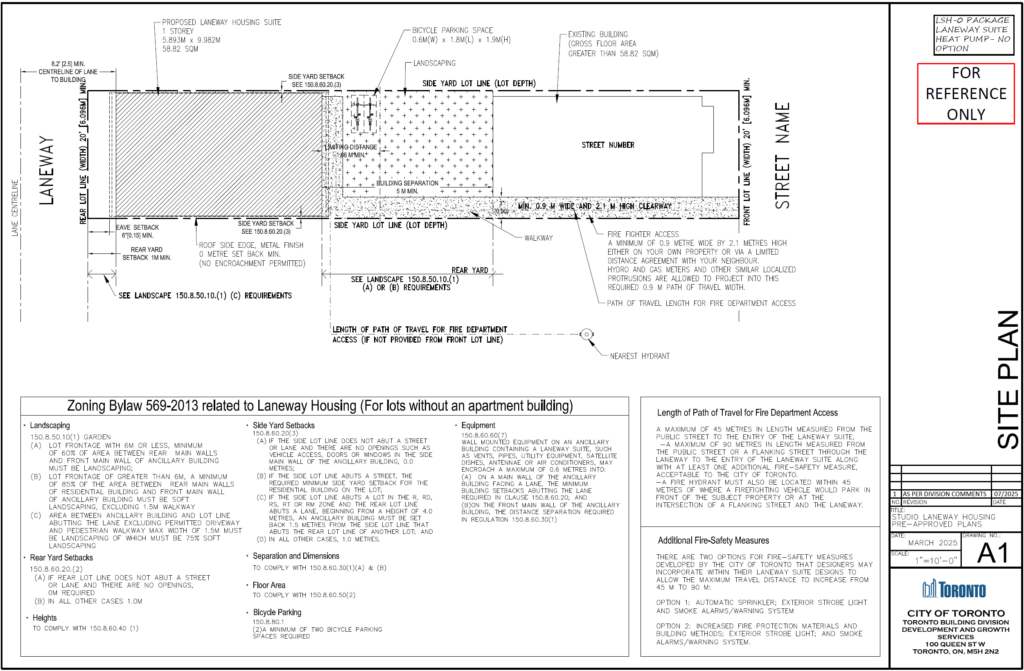
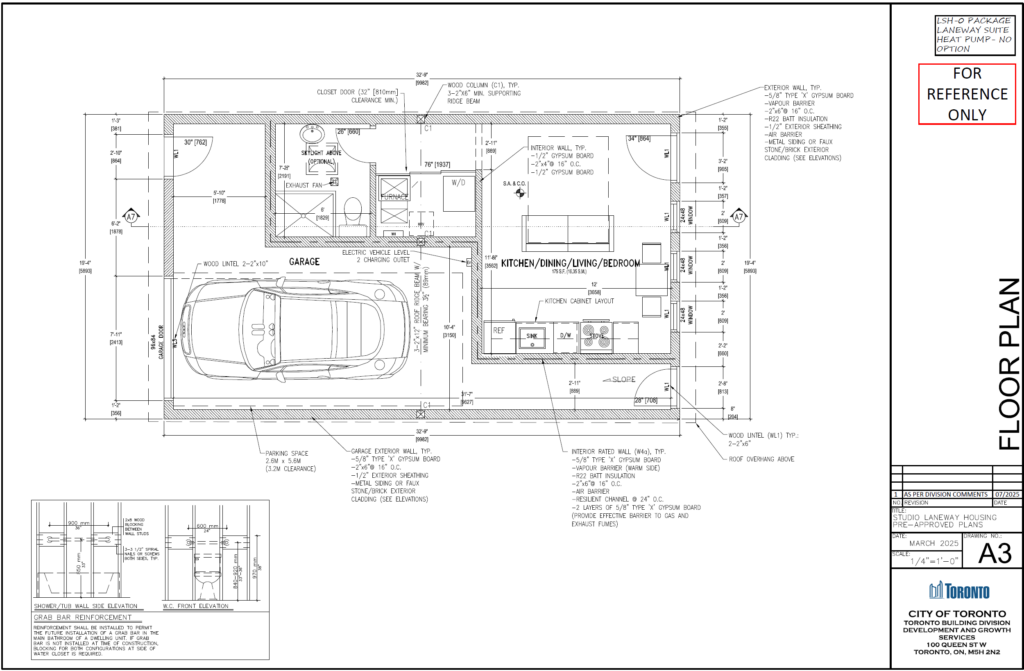
256 sq.ft. · 23.78 m² · 16’×16′ · 3 windows · 1 steel door
📋 Permits, Engineering & Insurance
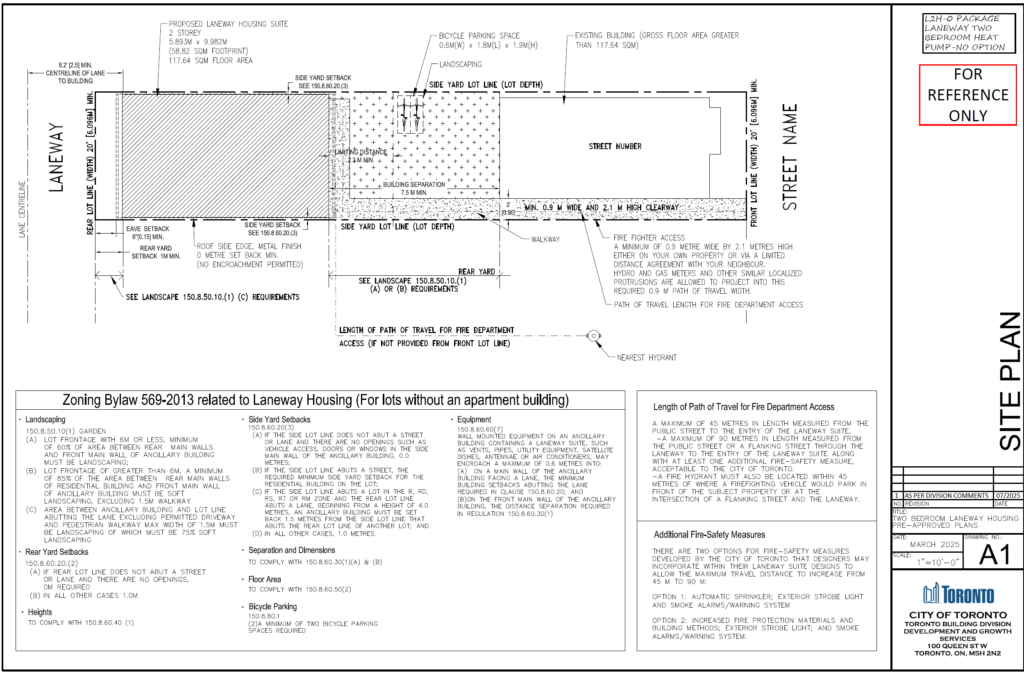
Site adaptation + engineering$8,000
Building permit (City of Toronto)$441
Survey & Grading Plan$5,000
Arborist Report$2,500
Builders Risk Insurance$2,500
HVAC Commissioning$1,200
Site Protection (fence + toilet)$1,500
Subtotal$21,141
🔌 Servicing — Water, Sewer, Hydro
Trench + water connection$10,000
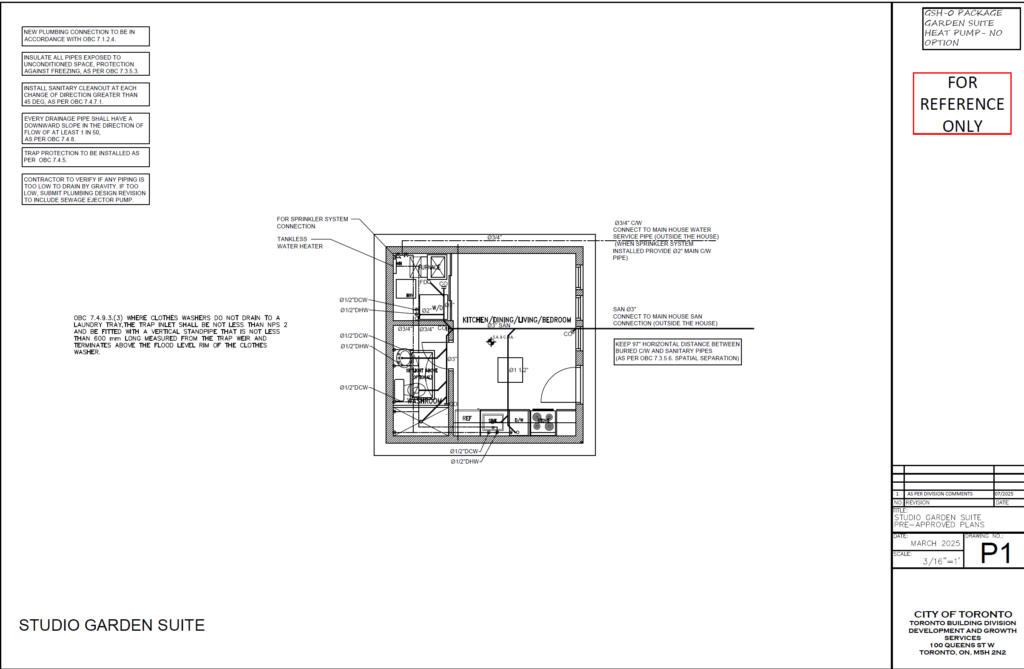
Sanitary sewer connection$10,000
Hydro 100A separate meter$8,000
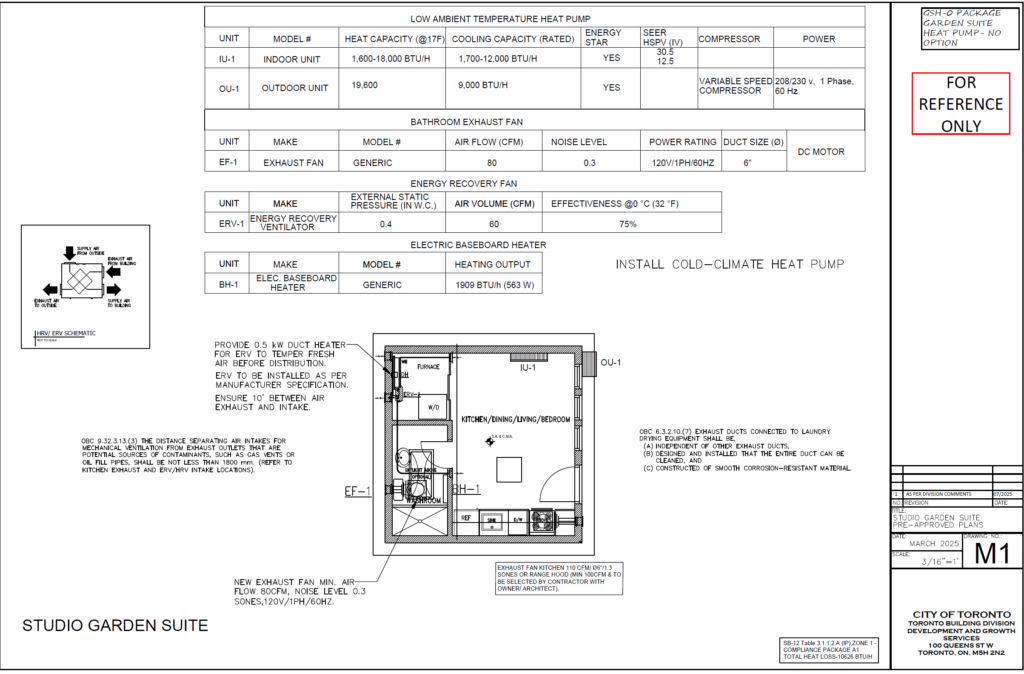
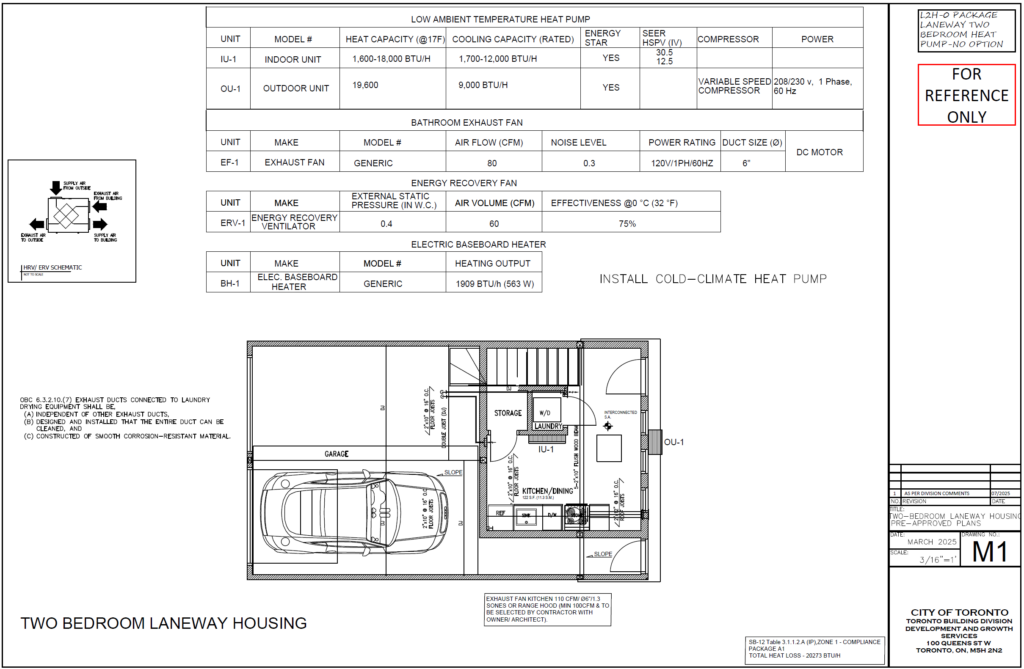
Heat pump installation$4,000
Subtotal$32,000
🏗️ Construction
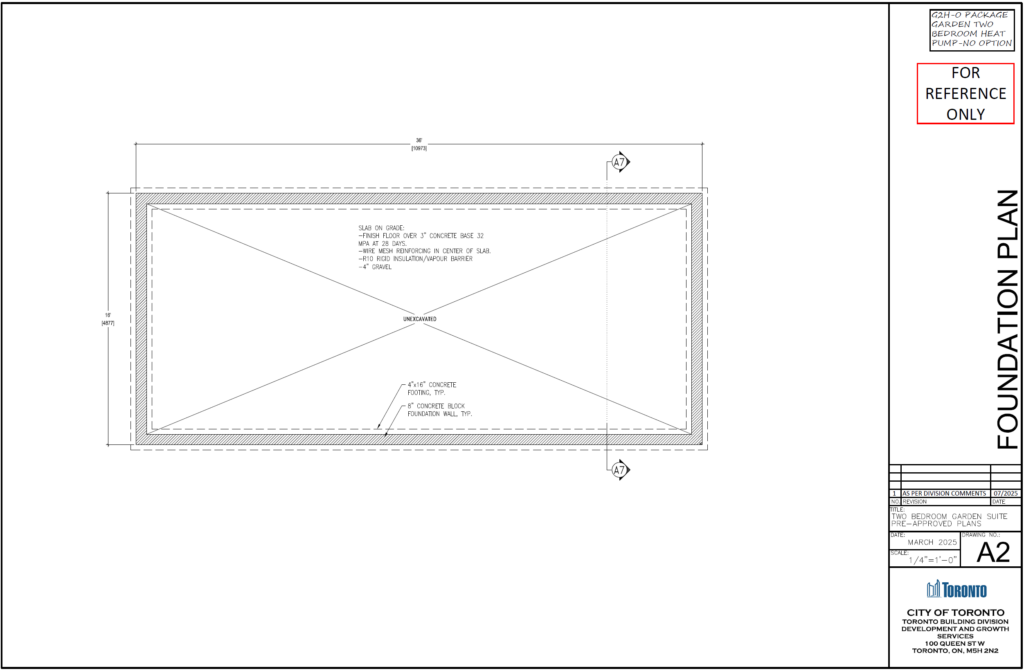
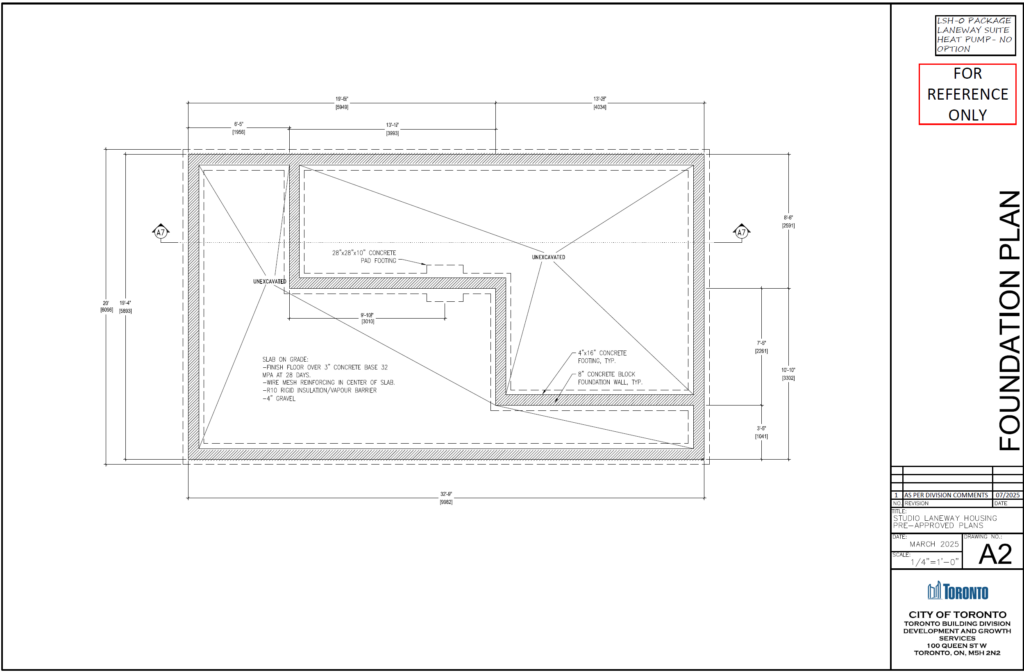
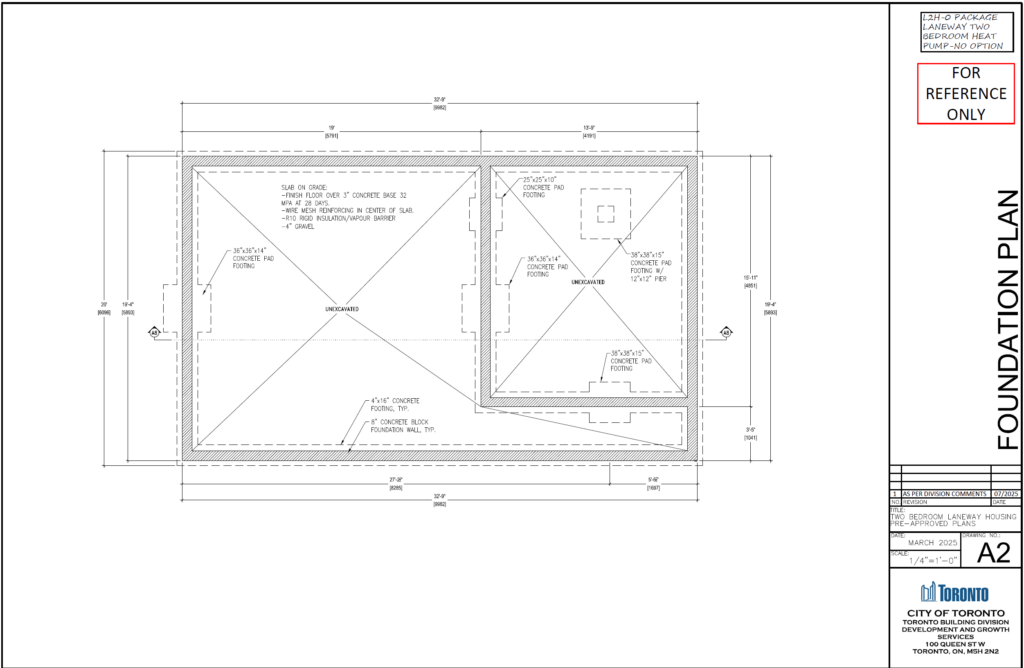
Foundation + slab + excavation$20,500
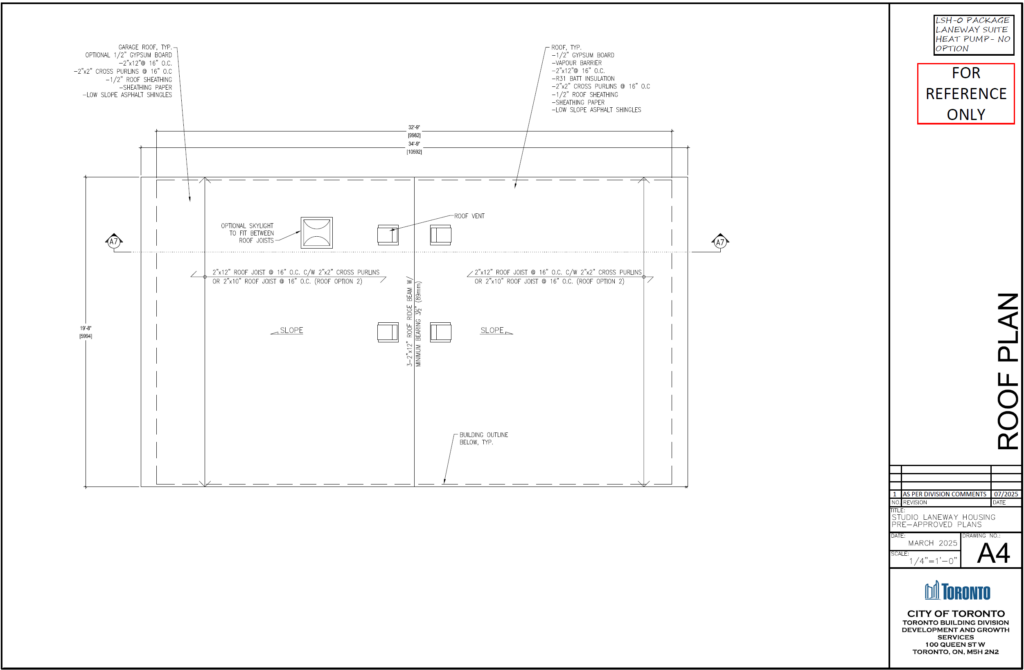
Framing, roof, walls$29,500
Windows + doors$6,500
Exterior, insulation + drywall$23,500
Finishes, kitchen, bathroom$35,000
Subtotal$115,000
Net Cost$168,141
GC Margin (15%)$25,221
Total Client Price~$195,000
+ DC Deferral eligible · Typical flat lot · ~90% accuracy · Development charges deferred — confirm amount at feasibility
Typical Monthly Rent
$1,700 – $2,100 / month
Gross yield ~10–13% at $195K investment
Project Timeline
Studio Garden Suite
Fastest build — smallest footprint
Total: Feasibility → Keys
~8–10 months
Permit process (pre-approved advantage)6–10 weeks
Construction on site6–8 months
Phase 1 — Permits & Engineering
6–10 weeks (with pre-approved package)
Site-specific engineering adaptation · Survey & grading · Building permit submission · City review. Pre-approved package reduces review time by 2–3 months vs. custom design.
Phase 2 — Servicing & Foundation
4–6 weeks
Trenching · Water & sewer connections · Hydro service · Slab excavation · Concrete pour · Cure time. City inspection required before proceeding.
Phase 3 — Framing & Envelope
2–3 weeks
Wall framing · Roof structure · Windows & doors · Exterior sheathing. Small footprint advantage — fastest framing of all four unit types.
Phase 4 — Rough-Ins
3–4 weeks
Electrical rough-in · Plumbing rough-in · HVAC ducting · City rough-in inspection. No work can proceed until City inspector approves. Order windows & kitchen now — 8–12 week lead time.
Phase 5 — Insulation & Drywall
2–3 weeks
Insulation · Vapour barrier · Drywall installation · Taping & mudding · City insulation inspection required before closing walls.
City inspections + scheduling buffers
3–5 weeks
Phase 6 — Finishes & Occupancy
6–8 weeks
Flooring · Tile · Kitchen · Plumbing fixtures · Paint · Appliances · HVAC commissioning · Final City inspection · Occupancy permit · Separate metering activation.
⚡ Pro Tip — Studio Garden Suite
This is the fastest ADU to build. Start permit process in January–February to target a May construction start — targeting envelope closure before November,
finishes in heated conditions through winter. Studio size means framing and envelope close in under 3 weeks.
finishes in heated conditions through winter. Studio size means framing and envelope close in under 3 weeks.